Home / Arts and Entertainment / Indian Royal Power: Europe's Dazzling Headdress Secret
Indian Royal Power: Europe's Dazzling Headdress Secret
24 May
Summary
- The 'aigrette' headpiece originated from India's masculine 'sarpech'.
- Colonial wealth transfer led to Indian jewels reaching Europe.
- European jewelers adapted Indian designs for Western tastes.
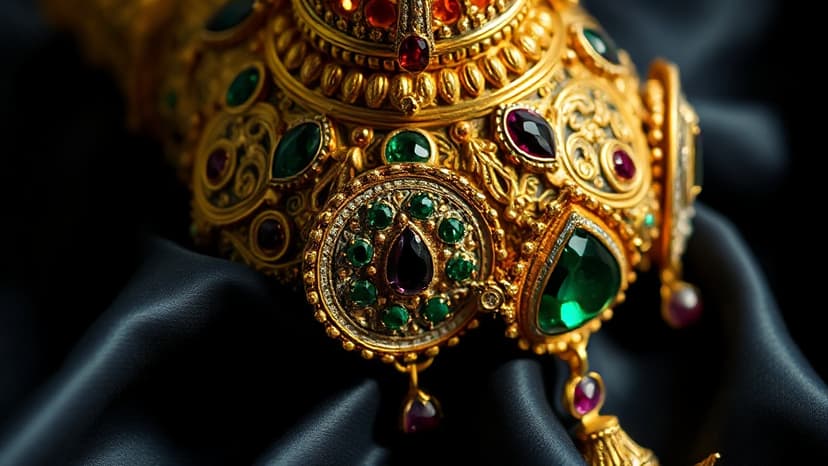
The dazzling diamond headpieces often associated with European royalty and 1920s Parisian galas, known as 'aigrettes,' originated not in Europe but in the royal courts of India. These iconic symbols of Western 'old money' aesthetics were adapted from the Indian 'sarpech,' a masculine emblem of power.
The 'sarpech,' meaning 'head fastener' in Persian, was a crucial symbol of authority for Hindu, Sikh, and Muslim princes. Evolving from a single plume, by the 1700s, it became a complex masterpiece adorned with uncut diamonds and gems using jadau techniques, featuring intricate meenakari enamel on the reverse.
Its transfer to Europe occurred through colonial wealth transfer as the British East India Company dismantled Indian empires. Looted Indian jewels, including those acquired by Queen Victoria, sparked a European fascination with Indian aesthetics, though stripped of their original meaning.
European jewelers, including Cartier, transformed the 'sarpech' into the feminine 'aigrette,' replacing 24-karat gold and enamel with platinum and brilliant-cut diamonds. These redesigned pieces perfectly complemented the fashion of the Roaring Twenties, becoming a staple accessory.


