
Home / Arts and Entertainment / Indian Chintz: The Fabric That Sparked Global Bans
Indian Chintz: The Fabric That Sparked Global Bans
8 May
Summary
- Indian chintz, known for vibrant floral patterns, became a 17th-century global fashion sensation.
- European textile makers protested, leading to import bans in France and Britain.
- Chintz saw revivals in the 20th century, influencing the White House and fashion icons.
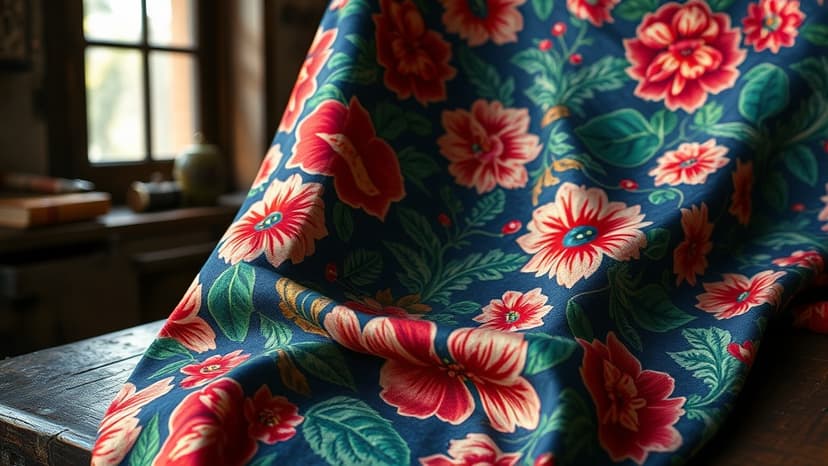
The ancient Silk Route facilitated not only the exchange of goods but also significant cultural diffusion, with Indian textiles playing a prominent role. Among these, Indian chintz, a fabric characterized by bright colors and floral motifs, emerged as a major global commodity in the 17th century. Its vibrant patterns and use of natural pigments like indigo captivated European aristocracy, particularly the French court at Versailles.
This surge in popularity, dubbed the 'calico craze,' significantly impacted European markets. However, it also led to widespread protests from local silk, linen, and wool manufacturers who felt threatened by the Indian fabric. Consequently, France banned chintz between 1686 and 1759, and Britain imposed partial bans from 1700 to 1774, with similar restrictions enacted in other European regions.
By the late 18th century, European manufacturers began to imitate chintz, spurred by technological advancements. While the rise of minimalism and American independence in the late 1700s saw a decline in its Western popularity, chintz experienced notable revivals. In the 1960s, it was featured in the White House renovation, and by the 1980s, it was a prominent trend thanks to figures like Princess Diana. Today, with the resurgence of maximalist styles, Indian chintz continues to be celebrated globally.
