Home / Arts and Entertainment / Filmmaker Explores Nature's Network Through Humboldt's Lens
Filmmaker Explores Nature's Network Through Humboldt's Lens
17 Apr
Summary
- Documentary explores interconnectedness of nature using Humboldt's ideas.
- Film traverses U.S. locations, weaving personal stories with nature's complexity.
- Director G. Anthony Svatek shares personal parallels with Alexander von Humboldt.
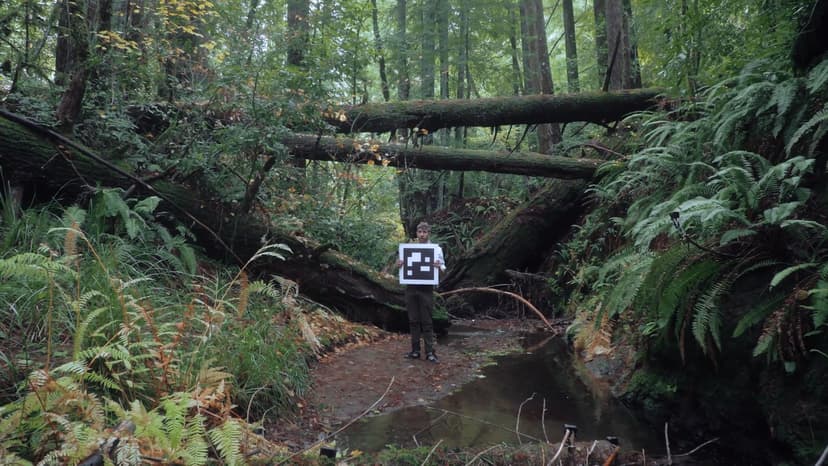
Humboldt USA, the feature film debut from filmmaker G. Anthony Svatek, examines humanity's evolving relationship with nature, drawing inspiration from the 19th-century naturalist Alexander von Humboldt. The documentary's premise is rooted in Humboldt's radical idea from the early 1800s: viewing nature as a "network of interconnected lives." Svatek chose to explore this concept by traveling to various locations across the United States, from ancient redwood forests to New York's parkways and Nevada's landscapes.
The film integrates the stories of individuals in these diverse settings, interspersing them with Humboldt's own writings and the filmmaker's reflections. Svatek, who shares personal parallels with Humboldt including being queer and having dual nationality, was particularly struck by how Humboldt's name permeates the U.S. landscape, a testament to his significant, though now largely forgotten, influence.
Humboldt USA premiered in competition at the Visions du Réel festival in Nyon, Switzerland, on April 22, 2024. It later had its U.S. and North American premiere on May 2, 2024, at the Museum of the Moving Image's First Look festival in New York. The documentary seeks to understand what remains of Humboldt's vision of interconnectedness in contemporary society, exploring both the romanticized and scientific views of nature that still dominate Western thought.
Svatek, known for his shorts that probe humans' fractured relationship with the natural world, began research for "Humboldt USA" in late 2019. The filmmaking process, however, spanned nearly seven years and was impacted by events like the COVID-19 pandemic. The film also touches on contemporary issues, including the rise of AI, particularly through a storyline involving ecological archivists in California who use technology to scan redwood forests, highlighting the complex interplay between nature and advanced technology.


