
Home / Arts and Entertainment / Danny Boyle's '28 Days Later': An Indie Game Changer
Danny Boyle's '28 Days Later': An Indie Game Changer
24 Jun
Summary
- Book details Hollywood's Conglomerate Era from 1989 to 2004.
- '28 Days Later' revitalized the zombie genre and indie filmmaking.
- The film's $8 million budget leveraged digital video for quick filming.
A new book, "Power Surge: Conglomerate Hollywood and the Studio System's Last Hurrah," delves into the 1989-2004 "Conglomerate Era" of Hollywood. During this time, six global media giants exerted significant control over the American film and television industries.
This era saw major studios merge or be absorbed by larger entities, accelerating the digital revolution. Blockbusters like "Titanic" and "Toy Story" emerged, yet an indie spirit flourished, birthing auteur directors such as Sofia Coppola and Quentin Tarantino.
Fox Searchlight, under Peter Rice, became a dominant "Indiewood" force. Rice transformed the company, financing a dozen films annually. He secured distribution for Danny Boyle's "28 Days Later" in 2003, a pivotal moment for the indie sector.
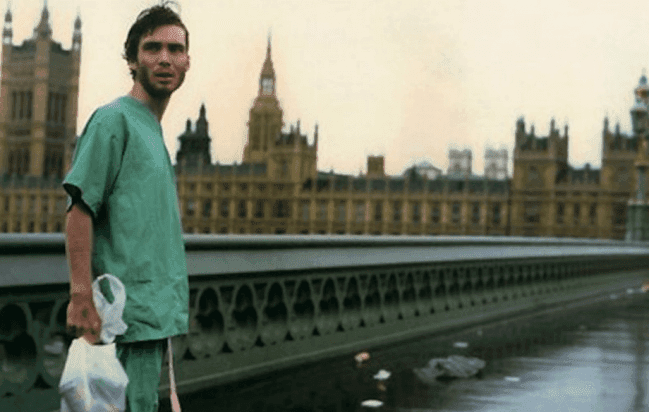
Filmed on a modest $8 million budget using consumer digital video cameras, "28 Days Later" captured a raw, fast-paced aesthetic. This approach, championed by DP Anthony Dod Mantle, allowed for quick, multi-camera setups, crucial for depicting the film's epidemic-ravaged London.
Released in the US in 2003, "28 Days Later" grossed over $30 million rapidly, becoming a cult hit and critical success. Its innovative endings, including a darker alternative, generated significant buzz and boosted its box office to $45 million, cementing its status as the year's top indie release.
