Home / Arts and Entertainment / Lost Hittite Empire Rediscovered in Turkey
Lost Hittite Empire Rediscovered in Turkey
18 Nov
Summary
- 131 cuneiform tablets detail daily life and royal matters.
- Hittites warred with Egypt, signing the landmark Treaty of Kadesh.
- Modern Turkey's founder, Atatürk, was deeply interested in the Hittites.
The Hittite Empire, a once-mighty Mediterranean civilization that operated from modern-day central Turkey, is re-emerging into historical consciousness thanks to a significant archaeological discovery. A cache of 131 cuneiform-inscribed clay tablets unearthed at the ancient dig site of Šamuḫa provides unprecedented insights into the empire's daily life and governance 35 centuries ago. These texts reveal a more humanistic culture, documenting everything from the practices of bird diviners to desperate pleas for military reinforcements and records of a devastating epidemic that affected children.
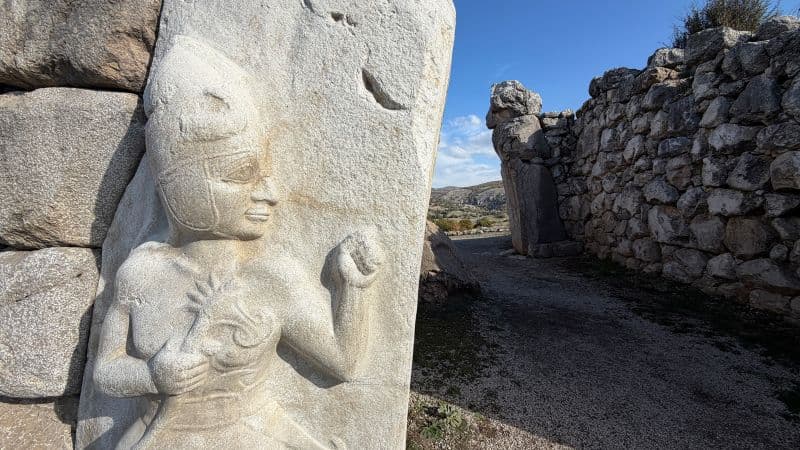
This discovery reignites interest in a civilization that rivaled ancient Egypt, engaging in the colossal Battle of Kadesh in 1274 BCE and later drafting the landmark Treaty of Kadesh. The Hittites, known for their advanced chariots and ability to absorb conquered cultures, were also influential figures in foreign affairs, with queens like Puduḫepa playing significant diplomatic roles. Their capital, Hattuşa, a UNESCO World Heritage Site, showcases impressive fortifications, temples, and art, including the open-air temple at Yazılıkaya.
The modern nation of Turkey, particularly its founder Mustafa Kemal Atatürk, has long shown a keen interest in the Hittites, viewing them as the first Anatolian empire and a model for a new state. The Museum of Anatolian Civilizations in Ankara safeguards many Hittite artifacts, reflecting Atatürk's efforts to connect modern Turkey with its ancient heritage. Ongoing excavations at sites like Hattuşa and Šamuḫa continue to uncover further treasures, promising a deeper understanding of this once-forgotten superpower.


