Home / Arts and Entertainment / Hirshhorn Garden Reborn: Artistry Meets Brutalism
Hirshhorn Garden Reborn: Artistry Meets Brutalism
7 Sep
Summary
- Redesigned Hirshhorn garden opens October 31st after three years.
- Artist Hiroshi Sugimoto blends original architect's vision with new elements.
- The garden balances preservation with reinvention, creating a palimpsest of histories.
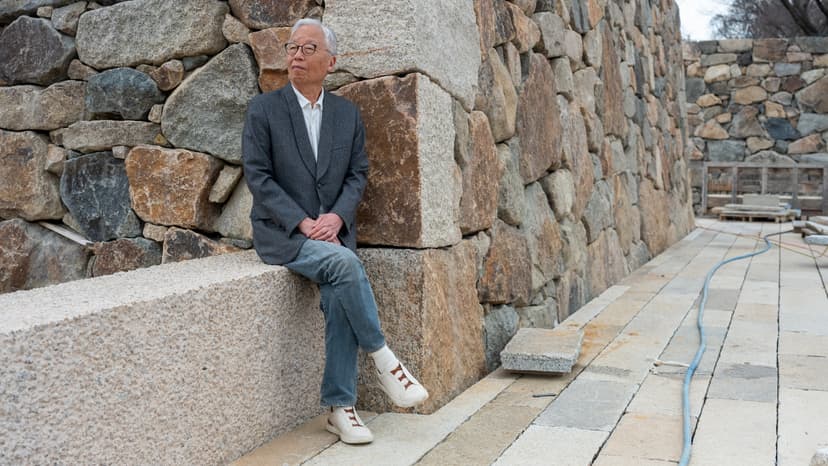
The Hirshhorn Museum and Sculpture Garden's 1.3-acre sunken garden will reopen on October 31st following a three-year renovation. Japanese artist Hiroshi Sugimoto, in partnership with architect Sakakida Tomoyuki and their firm New Material Research Laboratory, spearheaded the redesign. Sugimoto's approach sought to integrate the original 1974 concrete vision by architect Gordon Bunshaft with the softer 1981 landscape design by Lester Collins.
This project is characterized as a 'delicate endeavor' and a 'palimpsest,' where past and present design elements coexist. Sugimoto's work extends his previous lobby redesign, aiming to re-establish a stronger connection between the museum, its landscape, and the National Mall. The garden is now organized into three distinct zones: intimate enclosures for sculpture collections, a central civic space with a reflecting pool, and an open grassy area for exhibitions and gatherings.
Reconstruction efforts have preserved and restored Bunshaft's concrete structures while introducing Sugimoto's stonework, adding a tactile, handmade quality. The garden also features a re-engineered water management system with native plantings. Despite initial controversy from preservationists concerned about altering the Modernist landscape, the reopened garden embodies a creative tension between preservation and reinvention.


