
Home / Arts and Entertainment / Haiti's Zombie Truth: Real-Life Enslavement Behind Myth
Haiti's Zombie Truth: Real-Life Enslavement Behind Myth
1 May
Summary
- Haitian 'zonbi' refers to a person robbed of free will, not a monster.
- Clairvius Narcisse was declared dead in 1962 but reappeared alive 18 years later.
- Zombification involved toxins and hallucinogens administered by a sorcerer.
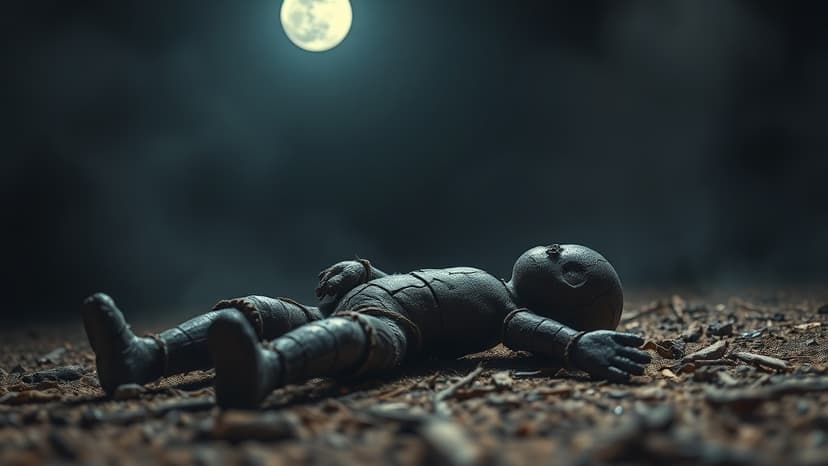
The modern global fascination with zombies finds its roots not in horror films, but in the dark cultural practices of Haiti. The Haitian Creole word "zonbi" signifies a person robbed of their free will, a concept deeply intertwined with historical anxieties about oppression and enslavement.
This understanding starkly contrasts with contemporary portrayals of flesh-eating monsters. Early Western introductions to the concept, such as William Seabrook's 1929 book "The Magic Island," paved the way for films like "White Zombie" (1932), which explored Vodou-inspired themes of sorcery and control.
A real-life incident brought Haiti's zombie belief into global focus. Clairvius Narcisse was officially pronounced dead in 1962 by doctors in Haiti after falling into a death-like coma. His reappearance 18 years later, in 1980, and his account of being poisoned and revived by a "bokor" (Vodou sorcerer) with toxins and hallucinogens, stunned researchers.
Narcisse claimed he was exhumed, revived with a paste from datura, and forced into slave labor on a sugar plantation. He regained his senses after the bokor died, only to remain in hiding until his brother, who had allegedly ordered his zombification, also passed away. Haitian law even recognizes zombification as a crime.
