Home / Arts and Entertainment / Director Links Athlete's Loss to Urban Decay
Director Links Athlete's Loss to Urban Decay
4 Feb
Summary
- Film mirrors Pittsburgh's post-steel crisis decline through athlete's accident.
- Director connects community decimation to contemporary societal divisions.
- Protagonist's injury leads to identity crisis and new life experiences.
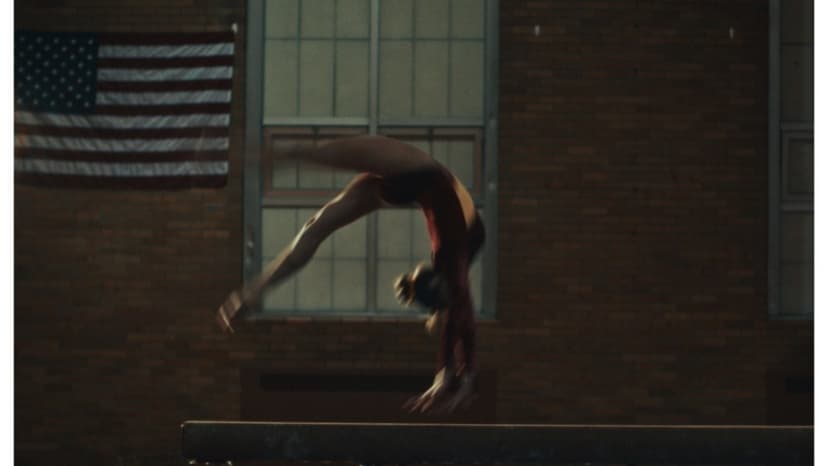
Charlotte Glynn's film "The Gymnast," set in early 1990s Pittsburgh, parallels a young athlete's loss of identity following a career-ending accident with the city's own struggles after the steel crisis. Glynn, who grew up in Pittsburgh, notes how mass layoffs and industrial decline echo contemporary issues of societal division. The film's protagonist, 16-year-old Monica, intended for the Olympics, must redefine herself after an accident. Her injury isolates her, leading her to explore rebellion and new experiences, akin to the excitement of her former athletic pursuits. This exploration highlights the complexities of adolescence and the search for identity amidst adversity. Ethan Embry plays Monica's father, Rich, whose own struggles with finding stable employment reflect the generational impact of Pittsburgh's economic shifts.
Glynn aimed to address larger societal questions beyond personal angst, drawing inspiration from films like "The Rider" and "The Wrestler" that depict athletes facing physical challenges. The film explores the enduring connection to a past passion, even after a life-altering event. Britney Wheeler, who plays Monica, was cast at 12 and grew with the character over a four-year period. The director found a contemporary resonance in the story, connecting the decimation of industrial communities to the rise of divisive social climates. Glynn views "The Gymnast" as a way to process her own past with Pittsburgh, allowing her to move forward and tell new stories.