Home / Arts and Entertainment / Kasaravalli: Entertainment is Political
Kasaravalli: Entertainment is Political
21 Nov
Summary
- Cinema reflects societal moral contradictions and exclusion.
- Filmmaker insists entertainment always carries political weight.
- Characters are complex, resisting simple ideological labels.
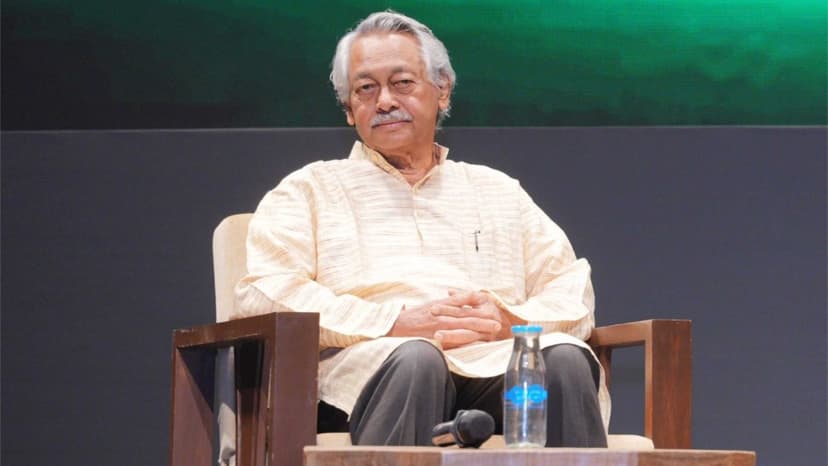
Indian auteur Girish Kasaravalli recently shared insights into his parallel cinema career at the 57th International Film Festival of India (IFFI) in Goa. He explored the moral contradictions within society and the intricate relationship between cinematic form and social content.
Kasaravalli highlighted his recurring theme of 'othering,' explaining how societies marginalize individuals and communities. He argued that even entertainment serves as a political act, inherently supporting or opposing dominant ideologies. He also stressed that characters should not be mere mouthpieces but complex entities demanding careful examination.
The filmmaker discussed his visual approach, likening early work to "ritualistic cinema" derived from content. He emphasized clarity of images and detailed instructions to the crew, viewing filmmaking as an experience imparted to the audience. Kasaravalli also advocated for cinematic styles rooted in local aesthetics, rejecting Western ideals of perfection.
Reflecting on contemporary cinema, Kasaravalli noted challenges in audience reach, particularly with streaming platforms mirroring traditional distribution issues. He concluded that filmmakers present options, not definitive answers, as life itself remains open-ended, fostering continuous thought and discussion.

 Arts and Entertainment
 Business and Economy
 Crime and Justice
 Disasters and Accidents
 War and Conflict


