
Home / Arts and Entertainment / Ghaziabad's Sullamal Ramlila Marks 125 Years of Evolving Theatrical Traditions
Ghaziabad's Sullamal Ramlila Marks 125 Years of Evolving Theatrical Traditions
27 Sep, 2025
Summary
- Sullamal Ramlila, the oldest Ramlila in Ghaziabad, still uses a pre-British era chariot in its performances
- Ramlila productions in NCR have transformed from modest village gatherings to large-scale shows with advanced technology
- Organizers spend nearly ₹1 crore annually on the Sullamal Ramlila, financed through donations and sponsorships
As the Sullamal Ramlila in Ghaziabad marks its 125th year in 2025, the annual theatrical production has come a long way from its humble beginnings as a rustic folk-theatre performance in village chaupals. Today, the Ramlila in the National Capital Region (NCR) has transformed into a dazzling spectacle, complete with sound and light shows, LED screens, and even drone displays.
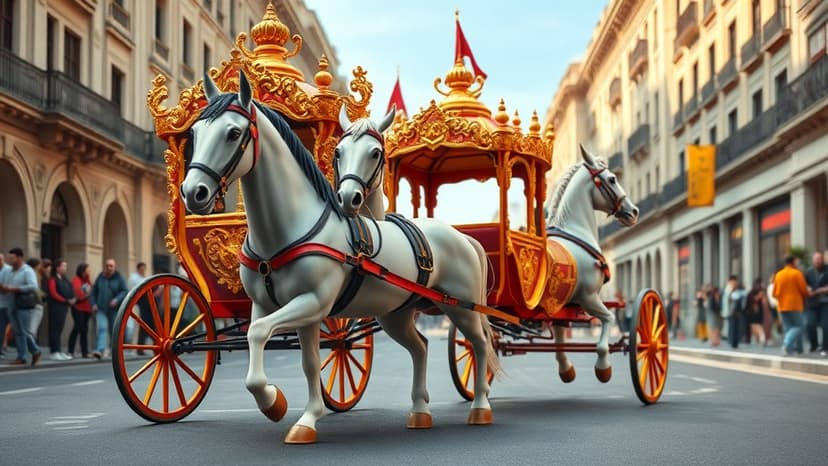
However, the Sullamal Ramlila has managed to preserve its deep-rooted traditions, including the use of a pre-British era chariot for the Ram Baraat procession. Despite the creaking wheels and faded paint, this 19th-century carriage remains the heart of the performance for both the organizers and the audience.
The scale and production value of the Sullamal Ramlila have also grown significantly over the years. The committee now spends nearly ₹1 crore each year to stage the event, financed through donations and sponsorships. The stage has expanded to 120 feet, and professional actors from Delhi and neighboring cities bring the epic tale of the Ramayana to life.
While the Sullamal Ramlila has embraced modern technology, the organizers worry about waning religious fervor among the younger generation. "Children today are more interested in the rides, food, and selfies than in Ramayan," laments Virendra Kumar, a former president of the Sullamal Ramlila group. Nevertheless, the annual event continues to draw lakhs of spectators, who are captivated by the timeless story of Ram, Sita, and Ravana.
