

Home / Arts and Entertainment / Gorilla Pioneer: Life of a Fearless Field Biologist
Gorilla Pioneer: Life of a Fearless Field Biologist
25 Apr
Summary
- He studied mountain gorillas in the Congo without weapons.
- Schaller studied diverse wildlife across 32 countries for decades.
- His work transformed field biology and championed conservation efforts.
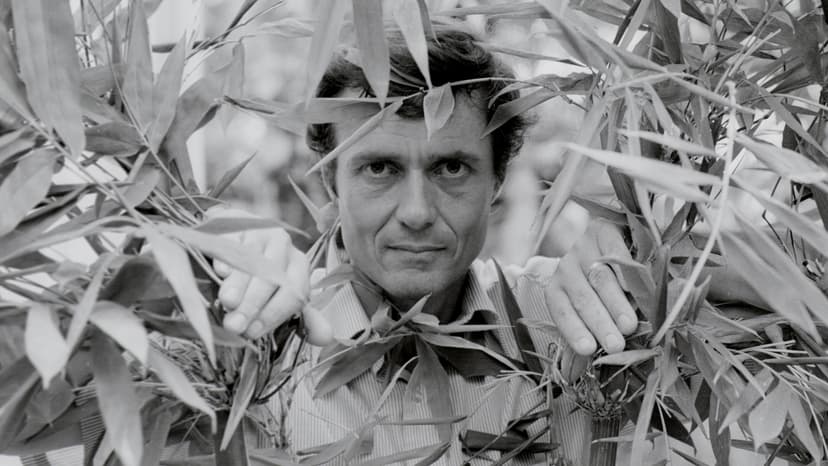
George B. Schaller, a towering figure in modern field biology, dedicated his life to understanding and protecting wildlife. Arriving in the Belgian Congo in 1959 as a young zoology student, he defied expert advice by observing mountain gorillas unarmed for over 400 hours in the Virunga Mountains.
His groundbreaking research involved meticulous data collection and an empathetic approach, viewing animals as individuals rather than anonymous species. Schaller's extensive career, spanning seven decades across 32 countries, included studies on tigers, lions, snow leopards, and giant pandas.
Miriam Horn's biography, "Homesick for a World Unknown," details Schaller's transformative impact on scientific practice. By deeply assimilating to animal rhythms and observing from their perspective, he achieved extraordinary intimacy with his subjects, becoming a relentless advocate for conservation.
Schaller's childhood, marked by dislocations in Berlin and relocation to Missouri as a teenager, influenced his profound connection to nature. His rigorous empirical methods involved detailed scat analysis and field observations amidst challenging terrains and wildlife.
The biography also touches on the personal sacrifices, particularly his wife Kay's loneliness during his prolonged absences. Despite his diplomatic efforts creating over 200,000 square miles of protected parks, Schaller witnessed a worsening extinction crisis affecting a million species.
