Home / Arts and Entertainment / 'Ganja & Hess': A Dreamlike Vision of Fear and Black Identity
'Ganja & Hess': A Dreamlike Vision of Fear and Black Identity
14 Mar
Summary
- 1973 cult film 'Ganja & Hess' explores Black identity through vampire tropes.
- Filmmaker Bill Gunn created the movie with significant artistic freedom.
- The film's themes of addiction and identity resonate decades later.
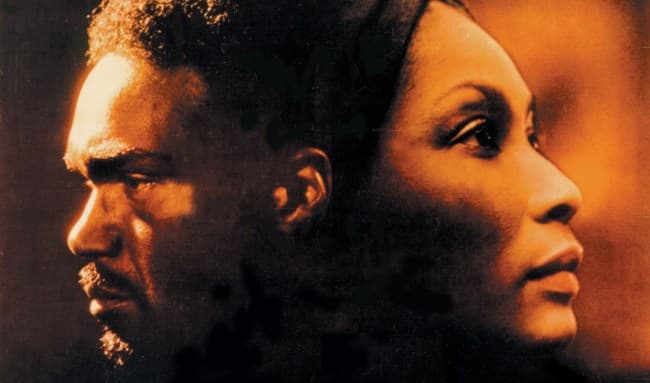
The 1973 cult classic "Ganja & Hess" is experiencing a reappraisal for its groundbreaking exploration of Black identity using vampire mythology. Directed by Bill Gunn, the film was made with significant artistic freedom by an inexperienced production company. Gunn intended to use vampire tropes as a metaphor for human addiction, centering on anthropologist Dr. Hess Green's transformation and his subsequent quest for blood.
The film's artistic and unconventional approach, focusing on imagery and emotional impact over strict narrative coherence, initially met with a lukewarm reception in America after its 1973 Cannes Film Festival debut. A re-edited version by Heritage Pictures, known as "Blood Couple," led Gunn to disavow the film. However, a 2018 restoration of the original version has allowed for a re-appreciation of its complex themes.
"Ganja & Hess" is now seen as a foundational work within Black horror cinema, predating more recent successes and influencing filmmakers like Spike Lee. Its unique blend of fear, romance, and Blaxploitation elements offers a dreamlike and thought-provoking commentary on identity, addiction, and ancestral guilt, cementing its status as an essential genre piece.