Home / Arts and Entertainment / Final Fantasy XVI: The Secret Battle Over Two Words
Final Fantasy XVI: The Secret Battle Over Two Words
23 Aug
Summary
- Translator debated for a week how to translate a key game title drop.
- Good localization prioritizes message over literal word-for-word accuracy.
- Modern games require massive word counts for updates and expansions.
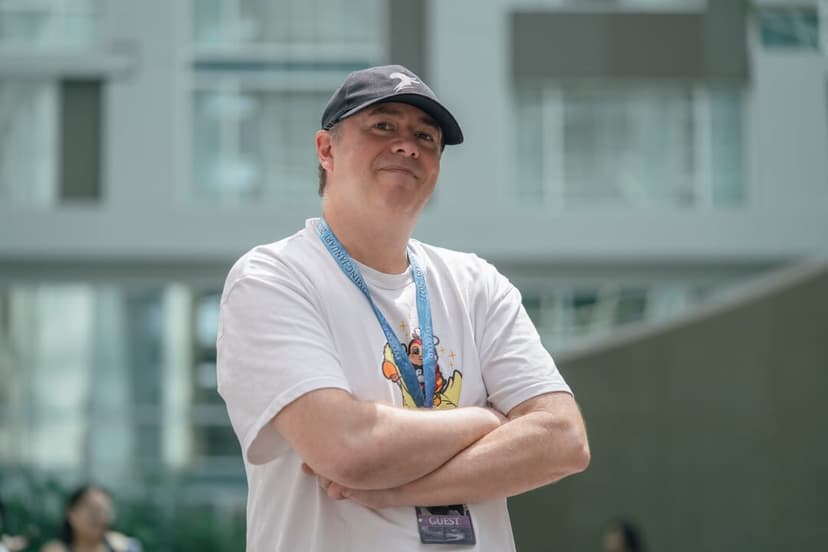
Michael-Christopher Koji Fox, a veteran translator for the Final Fantasy series, recently spent a week agonizing over two words for "Final Fantasy XVI." His team's task was to translate a pivotal in-game title drop that he feared could sound 'cringey' in English. Fox emphasized that their approach is "entertainment translation," focusing on delivering the intended message and emotional impact rather than a strict, literal conversion of words. This philosophy is increasingly important as global audiences embrace non-English media, with Netflix reporting over a third of its viewership from such titles.
Japanese animation, once a niche interest, has become a global phenomenon, with the anime market projected to reach 3.8 trillion yen in 2024. Fans often debate subtitled versus dubbed versions, scrutinizing translations for alterations in meaning or political insertions. Fox welcomes this scrutiny, viewing it as a sign of engagement with the material. However, he cautions against oversimplifying language, which involves complex cultural context, high-context (Japanese) versus low-context (English) communication styles, and nuanced implications beyond literal definitions.
Modern video game localization operates on a massive scale. A single update for "Final Fantasy XIV" can contain 200,000 words, with major expansions reaching 500,000 words, requiring extensive translation teams. Fox noted that translations can differ, with early impressions often solidifying into nostalgic favorites, citing the original "Final Fantasy VII" as an example of charmingly awkward but beloved early localization. He clarified that translators do not 'censor' content; changes often stem from creators, publishers, or rating boards.
For "Final Fantasy XVI," the team aimed for dialogue evocative of Western medieval fantasy, even adapting Japanese dialogue structures to fit English "call and response" conversational rhythms. They consulted the Oxford English Dictionary to ensure phrases sounded old yet accessible, avoiding post-1900 expressions. Despite the team's efforts, the Japanese writers retained veto power, as seen when Fox's desire for a clearer character ending was overruled. Ultimately, Fox believes successful translation prioritizes conveying the core message and intended emotional response, such as humor, over perfect vocabulary fidelity.


