Home / Arts and Entertainment / Music's Power: How Composers Shaped Films
Music's Power: How Composers Shaped Films
7 Feb
Summary
- Music unlocked the ending for 'Hamnet' after director dissatisfaction.
- Composer's 'method composition' mirrored character psychology in 'Bugonia'.
- A grand waltz transformed a horrific scene in 'Frankenstein'.
This year's Oscar-nominated composers discussed pivotal moments where their music significantly influenced film narratives. For "Hamnet," Max Richter's existing piece, "On the Nature of Daylight," inspired director Chloe Zhao to reimagine the film's conclusion, with the music playing on set for days.
Alexandre Desplat crafted a grand waltz for "Frankenstein," turning a grim scene of corpse collection into an artist's passionate creation, complete with dark humor. Composer Jerskin Fendrix for "Bugonia" employed 'method composition,' immersing himself in research and paranoia based on three keywords, mirroring the film's character.
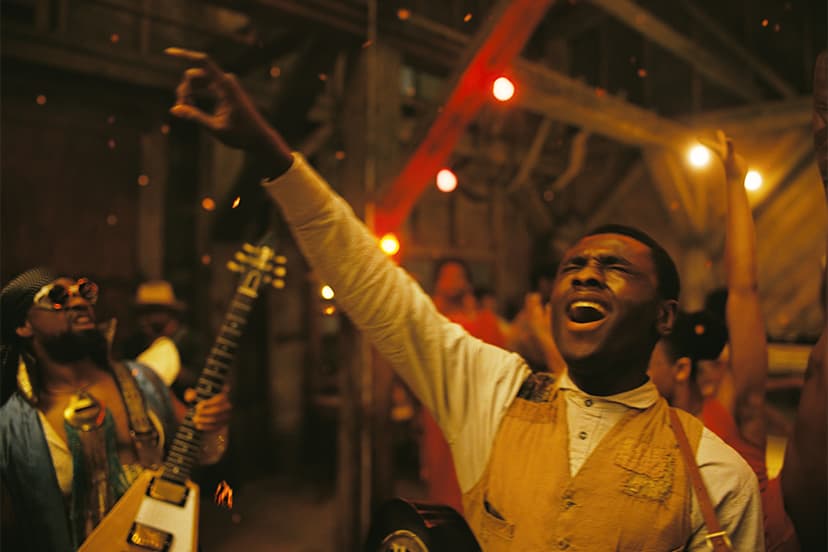
Ludwig Göransson's score for "Sinners" featured a juke joint scene where music connected the character to historical and future selves, illustrating the blues' evolution. His adaptability on set allowed for precise musical timing, making the scene a standout.