Home / Arts and Entertainment / Golf Course Illusion: Art Film Exposes Philippine Exploitation
Golf Course Illusion: Art Film Exposes Philippine Exploitation
24 Jan
Summary
- Film reveals systemic exploitation disguised by a manicured golf course.
- A tee girl's journey highlights stark class divides and cruelty.
- Director uses visual language to convey sinister undertones subtly.
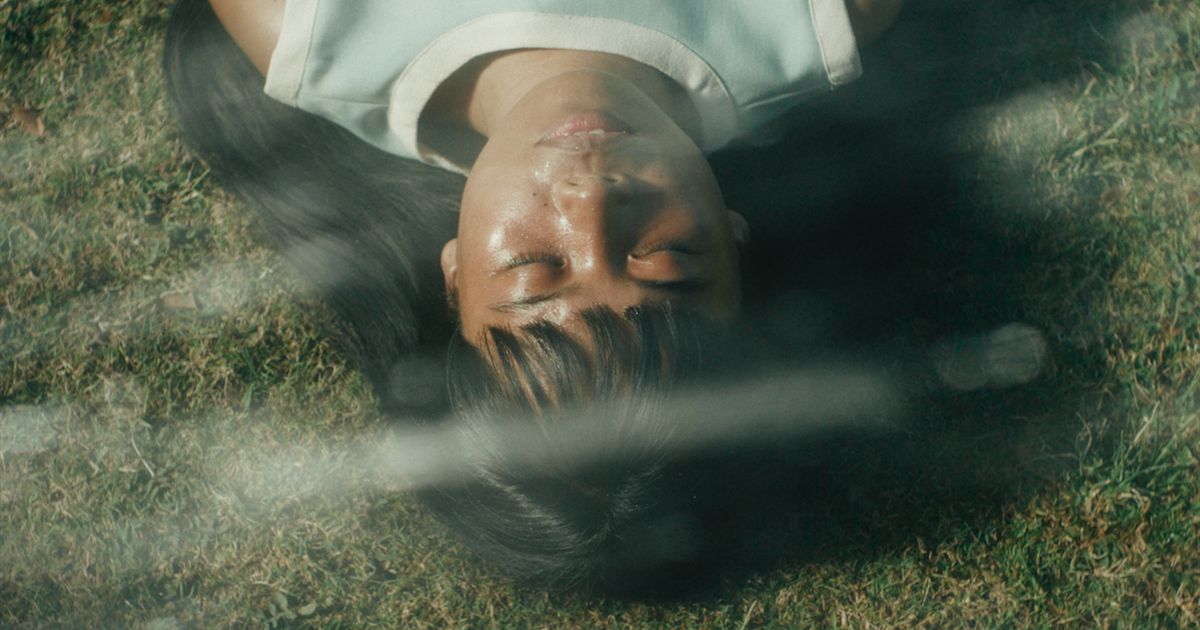
Rafael Manuel's film Filipiñana, presented at Sundance and set for the Berlin Film Festival, offers a stark portrayal of exploitation within an elegant Philippine golf course. The movie contrasts the manicured beauty of the grounds with the struggles of its impoverished employees, whose labor is devalued compared to golf balls retrieved from ponds.
At the center of the narrative is Isabel, a 17-year-old tee girl from Ilocos, whose quiet dreams contrast with the regimented nature of her job. Her task to return a golf club to the wealthy club president, Dr. Palanca, leads her through spaces that reveal layers of exploitation.
The film also weaves in the perspective of Clara, a Filipina American visiting with her uncle, an executive. Clara grapples with the casual misuse of others, though she remains largely an observer of the systemic cruelty surrounding her.
Manuel employs a heightened control of imagery and mood, transforming the visually stunning golf course into a sinister reflection of forced placidity and assembly-line control. Hints of violence and the devaluing of human life are subtly embedded within the film's gorgeous yet artificial environment.