Home / Arts and Entertainment / Exhumed from the Grave: 19th Century Fears of Premature Burial Resurface
Exhumed from the Grave: 19th Century Fears of Premature Burial Resurface
16 Nov, 2025
Summary
- Alleged incident of a woman being exhumed from a Sussex churchyard in 1816
- Victorian-era obsession with people being accidentally buried alive
- Invention of "safety coffins" with bells, flags, and breathing tubes
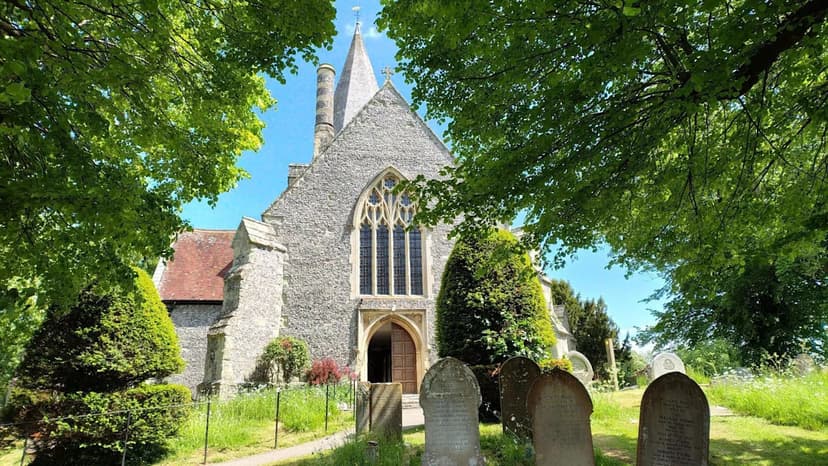
According to historical records, a 24-year-old woman named Mildred Reid was allegedly exhumed from a Sussex churchyard in 1816, as rumors of her being buried alive spread through the local community. This incident reflects the 19th century's deep-seated obsession with the fear of premature burial, a paranoia that was fueled by the popularity of gothic novels like Frankenstein.
The Victorian era saw the widespread belief that conditions like catalepsy and cholera could so closely mimic death that doctors were often fooled, leading to the accidental burial of people who were still alive. This fear prompted the invention of "safety coffins," which included features like bells, flags, and breathing tubes to allow the supposedly deceased to signal for help if they suddenly woke up.
The Alfriston incident, as it was known, involved the local vicar deciding to exhume Mildred Reid's grave to prove to the community that the rumors of her being buried alive were unfounded. The story was later recounted in the parish magazine, providing a chilling glimpse into the gothic anxieties that gripped the public imagination during this period.


