Home / Arts and Entertainment / 1,800 Secret Poems: Dickinson's Private Revolution
1,800 Secret Poems: Dickinson's Private Revolution
6 Mar
Summary
- Nearly 1,800 poems discovered posthumously in handmade booklets.
- Her unconventional style transformed American poetry.
- Dickinson's brevity and depth resonate with modern readers.

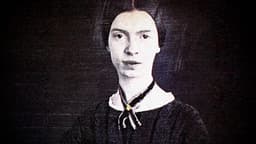
Emily Dickinson, a pivotal yet largely unknown figure during her lifetime, is now recognized as a cornerstone of American poetry. Born in Amherst, Massachusetts, in 1830, she led a reclusive life, dedicating herself to writing nearly 1,800 poems. These works were discovered posthumously by her sister Lavinia in handmade booklets, revealing a style starkly different from the era's popular verse. Dickinson's poetry is characterized by its brevity, compressed lines, unconventional capitalization, and frequent use of dashes, which created unique pauses and shifts in thought. Her poems explored universal themes such as death, immortality, love, nature, and consciousness with startling originality and profound emotional depth. The impact of her posthumous publication, which began in 1886, was transformative, inspiring later poets like Sylvia Plath and Adrienne Rich. Her work is celebrated for its precision, interiority, and boldness, paving the way for free verse and psychological introspection in poetry. Dickinson's legacy endures because her work, though private, possessed a cosmic scope and a belief in the immense power of carefully chosen words. In an age of information overload, her poetry encourages readers to value introspection and the enduring significance of language, proving that profound impact can come from concise, deeply considered expression.