Home / Arts and Entertainment / DreamQuil: Future of Humanity or Digital Escape?
DreamQuil: Future of Humanity or Digital Escape?
10 Mar
Summary
- Film explores virtual lives in a future with dangerous environmental conditions.
- Elizabeth Banks plays a woman lured into a digital retreat, facing a robot doppelgänger.
- The movie critiques tech companies' indifference to human experience and the allure of AI.
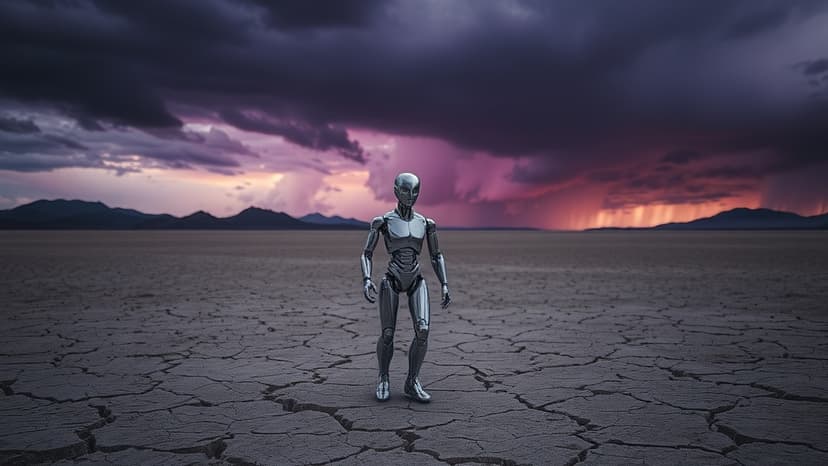
Alex Prager's directorial debut, 'DreamQuil,' envisions a near-future where environmental degradation confines people to virtual lives. This concept, born from discussions about the pandemic's indefinite continuation, forms the basis for the film. Prager, co-writing with her sister Vanessa, explores themes of reclaiming humanity amidst societal collapse.
Elizabeth Banks portrays Carol, a disillusioned wife and mother who seeks rejuvenation through a mysterious digital retreat called DreamQuil. Unbeknownst to her, upon return, her husband and son are tended to by Carol Two, a flawless robot duplicate. This doppelgänger's perfection poses an existential threat to Carol's identity and family.
Prager's distinctive visual style, characterized by timeless aesthetics, drew Banks to the project, where she also served as a producer. The film critiques the indifference of tech companies toward human experience and the societal tendency to numb discomfort through technology. It questions the consequences of avoiding difficult emotions.
Banks highlights the film's relevance to the rapid integration of AI and the rise of filtered online personas. The tension between Carol and Carol Two underscores anxieties about manufactured realities and the blurring lines between human and artificial existence. Prager also touches on the resurgence of the 'trad wife' phenomenon and a mother's complex feelings about her role.
The film was shot in Los Angeles and involved meticulous production design, including the construction of Carol's apartment. Prager aimed for a surreal, theatrical feel reminiscent of 'The Twilight Zone,' balancing artificiality with the raw presence of live actors. The extensive post-production process, particularly the digital doubling of Banks, extended the film's completion nearly two years after principal photography.