
Home / Arts and Entertainment / Runway Magazine Faces Media Layoffs Reality
Runway Magazine Faces Media Layoffs Reality
29 Apr
Summary
- Sequel revisits Runway magazine amid media industry crisis.
- Characters confront job losses and corporate consolidation.
- Nostalgic callbacks blend with a commentary on media's future.
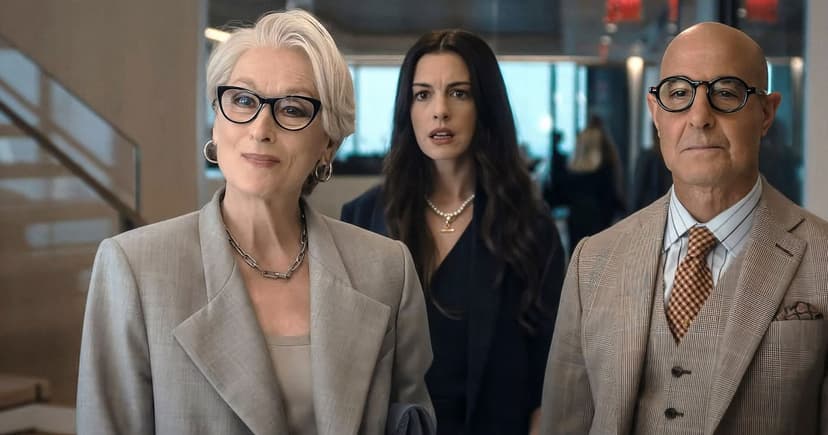
Set in 2026, years after the original film, the sequel to *The Devil Wears Prada* finds Runway magazine in a state of flux. The journalism industry is facing a severe crisis, marked by declining magazine sales and constant budget cuts. Andrea, now laid off from her serious newspaper job, finds herself working for Miranda Priestly once again, highlighting a reality where even a difficult job is preferable to unemployment.
Nigel remains a key figure in the fashion closet, while Emily has moved on to new opportunities. The plot, while featuring a forgettable romance arc for Andy, focuses on the necessity for former adversaries to collaborate. Their new common enemy is corporate consolidation, reflecting a stark reality of the media landscape.
The film acknowledges the original's sharp wit but now emphasizes a more collaborative spirit. It touches upon the perils of creating meaningful work in a deteriorating world and the realization of what is truly valued once it's gone. The sequel's plot centering on media layoffs is a surprisingly accurate, albeit somber, reflection of the industry's state, mirroring challenges faced by publications like Vogue.
Directed by David Frankel and written by Aline Brosh McKenna, the film is perceived by some as a swan song for a particular genre of romantic comedy and a bygone era. Notably, there are no young influencer characters populating the fashion scene, perhaps because certain realities are too bleak to fictionalize.
Despite the serious undertones, the film offers entertainment with new characters and engaging performances. Lady Gaga's portrayal is highlighted, alongside magnetic performances from Bridgerton's Simone Ashley. The narrative includes callbacks, witty dialogue, and a pervasive sense of cheerful nostalgia that softens its weaker points. While not reaching the impact of the original, the sequel retains significant charm, much like a cherished vintage item.
