

Home / Arts and Entertainment / Del Toro's Frankenstein: Forgiveness Frees Creation
Del Toro's Frankenstein: Forgiveness Frees Creation
12 Mar
Summary
- Guillermo del Toro's Frankenstein emphasizes forgiveness over vengeance.
- The Creature escapes and learns to speak with a blind elder's help.
- The film concludes with the Creature walking toward a rising sun.
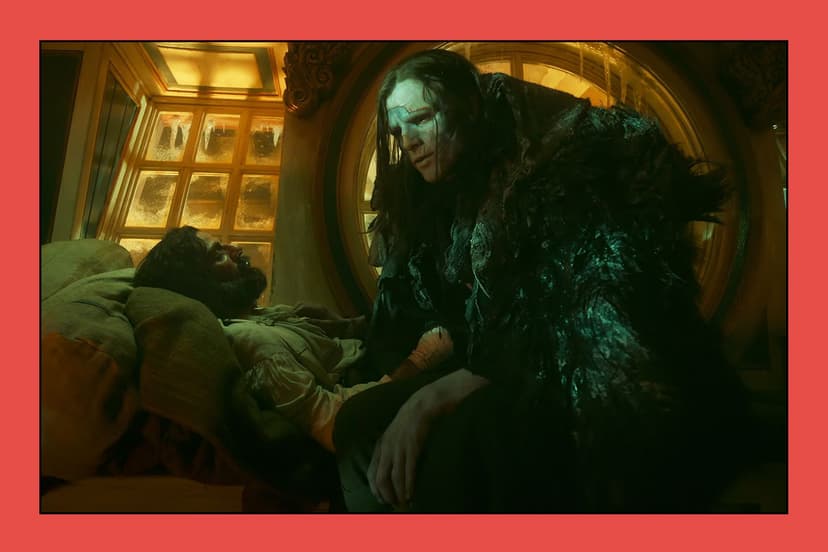
Guillermo del Toro's adaptation of Frankenstein offers a fresh perspective, emphasizing forgiveness and hope, a stark contrast to Mary Shelley's original novel. This interpretation presents the Creature not merely as a monster but as a being seeking understanding and acceptance. The narrative explores Victor Frankenstein's motivations, stemming from childhood trauma and a desire to conquer death.
The Creature's journey involves escape, learning to speak and read with the aid of a blind elder, and discovering the truth of its creation. Experiencing both kindness and rejection, the Creature grapples with its existence and inability to die alone, leading it to demand a companion from Victor.

