Home / Arts and Entertainment / Del Toro's Frankenstein: Artistry Unveiled
Del Toro's Frankenstein: Artistry Unveiled
4 Dec, 2025
Summary
- Film shifted from 18th century to 1850s for a modern interpretation.
- Art department drew inspiration from Hunterian Museum's medical gear.
- Color palettes were crucial for setting tone and character arcs.
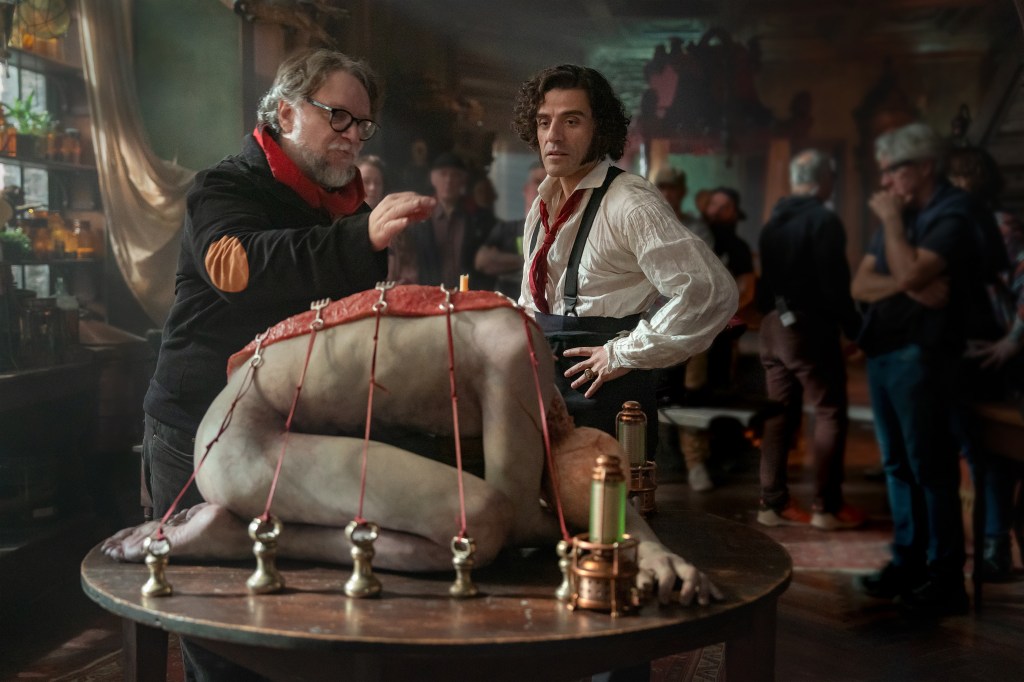
Guillermo del Toro's long-held dream project, "Frankenstein," brings Mary Shelley's iconic story to life with a unique cinematic approach. The film's setting was deliberately shifted from the late 18th century to the 1850s, allowing for a modern interpretation rather than a strict period piece. This creative decision guided every department, from the musical score by Alexandre Desplat, which uses classical instruments to evoke a contemporary feel, to the production design by Tamara Deverell.
Deverell conducted extensive research, notably visiting the Hunterian Museum to study historical medical and scientific tools, inspiring the film's set design. Costume designer Kate Hawley prioritized the script's rich themes of religion, mythology, and isolation, using color as a key element to convey the story's gothic quality. Cinematographer Dan Laustsen employed light and shadow strategically, aligning with the evolving emotional landscape of the characters and their environments, from the stark Arctic to Victor's increasingly cold world.