Home / Arts and Entertainment / Day of the Dead: Skeletons, Marigolds, and Overtourism Fears
Day of the Dead: Skeletons, Marigolds, and Overtourism Fears
31 Oct
Summary
- Day of the Dead honors deceased loved ones returning on Nov. 1 and 2.
- Marigolds and candles guide spirits, while pan de muerto is eaten.
- Some regions struggle with overtourism impacting sacred traditions.
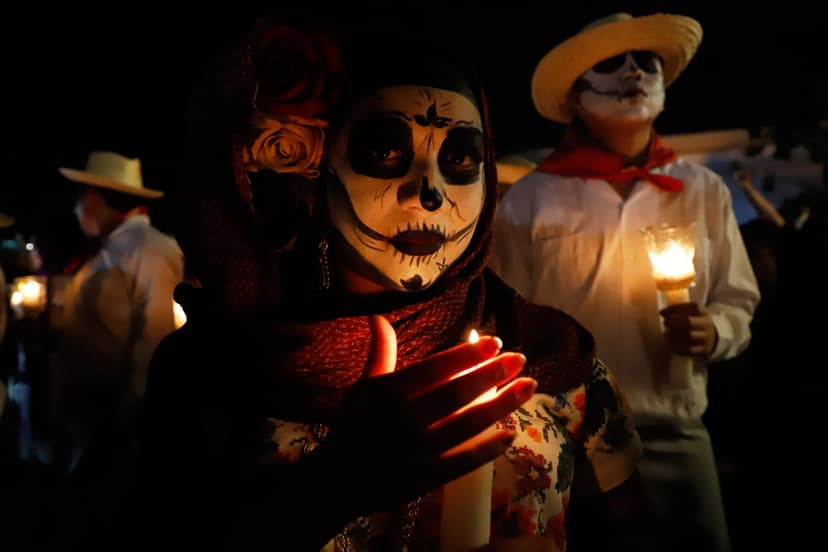
Mexico's beloved Day of the Dead celebrations, observed annually on November 1st and 2nd, draw deeply from pre-Hispanic agricultural beliefs and incorporate Catholic traditions. Families prepare by decorating altars with photos, favorite foods, and mezcal for their returning loved ones. Streets are adorned with bright orange marigolds, or cempasuchil, believed to light the path for the spirits.
The tradition sees families gathering at cemeteries to reconnect with ancestors, a practice recognized by UNESCO as Intangible Cultural Heritage. However, increased global attention has led to significant tourist influx in states like Oaxaca and Michoacan, creating tensions around overtourism.
Some regions are implementing measures to manage the impact. In Mexico City, a parade originating from a James Bond film has sparked local skepticism. On Janitzio island in Michoacan, authorities closed the pantheon to tourists for the first time due to damage caused by large crowds, restricting access to local families only.


