
Home / Arts and Entertainment / Courtroom Style: More Than Just Clothes?
Courtroom Style: More Than Just Clothes?
1 May
Summary
- Celebrity courtroom fashion impacts perceptions before evidence.
- Appearance can signal power or virtue, influencing juries.
- Plaintiffs use fashion to express themselves when silenced.
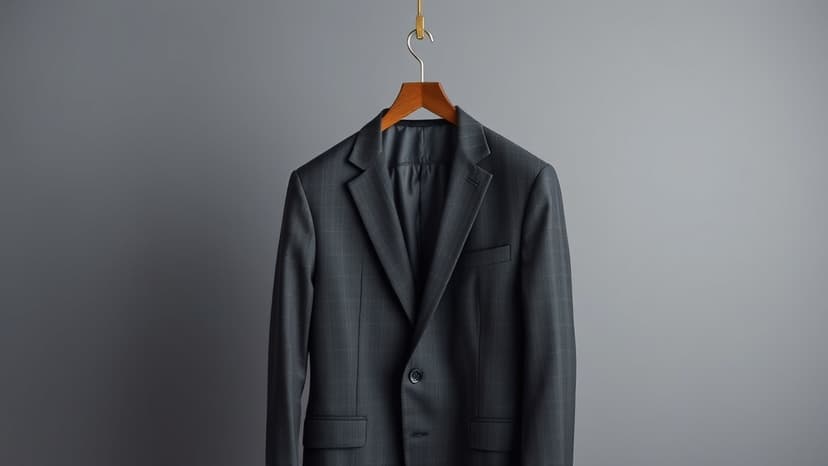
The way individuals present themselves in court, particularly celebrities, can significantly shape perceptions. Rebel Wilson's transition from her usual vibrant style to a demure courtroom uniform for her defamation trial exemplifies this trend. This strategic choice aims to create favorable initial impressions on judges and juries, who are known to form quick judgments.
Legal experts note that appearance can signal power, threat, or virtue, influencing the outcome of cases. For defense lawyers, a client's controllable presentation is a key strategic element. Conversely, plaintiffs can use fashion as a form of expression when speech is limited, as seen with Kim Kardashian's choice to wear diamonds while testifying.
Historical cases illustrate the impact of courtroom attire. Lindy Chamberlain faced criticism for her sundresses, and Theresa Lattouf used garments from Middle Eastern designers as symbolic armor. Elizabeth Holmes adopted a subdued, conventional look for her fraud trial, and Anna Sorokin hired a stylist to influence perceptions, even delaying proceedings.
In a different context, Kirsha Kaechele's navy tailoring for Mona's legal battle signaled the power of her all-female team. These examples demonstrate that while appearance may not alter facts, it plays a crucial role in the broader strategy and perception within the legal system.
