Home / Arts and Entertainment / Chris Rock: "Top Five" Was My Real Film Debut
Chris Rock: "Top Five" Was My Real Film Debut
8 Oct
Summary
- Chris Rock considers "Top Five" his authentic directorial voice.
- He drew inspiration from indie filmmakers like Mike Leigh and Noah Baumbach.
- Rock learned to relinquish control, trusting performers to shape his scripts.
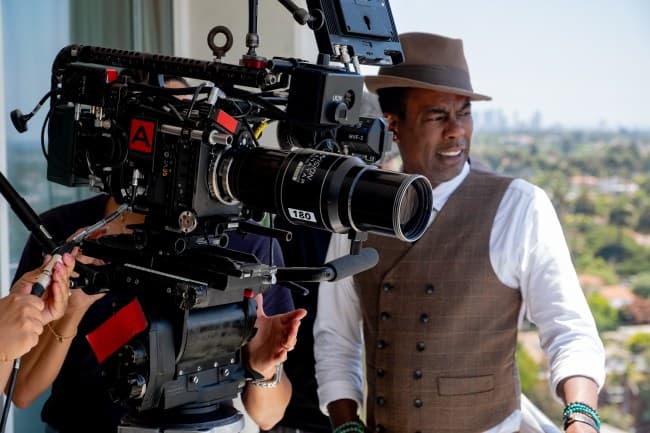
Chris Rock recently shared that while "Misty Green" is his fourth directed feature, he considers his 2014 film "Top Five" to be his true directorial debut. He explained that earlier works like "Head of State" (2003) felt imitative, following the perceived successful formulas of peers like Adam Sandler. Rock's approach changed after working with Julie Delpy, who directed herself in "2 Days in New York." This experience inspired him to emulate independent directors such as Mike Leigh and Noah Baumbach.
Rock intentionally moved away from industry expectations for Black filmmakers, aiming to create films he genuinely wanted to watch, exemplified by "Top Five." He embraced a more collaborative directing style, loosening his grip on the script and allowing actors more creative freedom. This evolution meant letting go of his stand-up's precise cadence to embrace spontaneity, even allowing ad-libbed dialogue like the title "Top Five" itself to become integral to the film.
This shift also correlated with Rock's preference for lower-budget films, such as "Misty Green," which had a budget closer to $3 million. He noted that smaller budgets mean fewer executive voices to contend with, especially given his perception that Black artists often face an assumption of being misunderstood. Rock expressed confidence in his direct connection with audiences, honed through years of global stand-up performances.
For "Misty Green," Rock prioritized casting authenticity over star power, selecting Rosalind Eleazar for the lead role. He admired how unknown actors in films like "Anora" allow for greater narrative possibility. Rock also aimed for genuine edginess in his satire of Hollywood's systemic issues, differentiating it from "fake edgy" films and drawing parallels to intense performances in "Monster" and "Monster's Ball."


