Home / Arts and Entertainment / Queer Western Fable Unfolds in 1980s Chile
Queer Western Fable Unfolds in 1980s Chile
11 May
Summary
- A unique LGBTQ+ community in 1980s Chile runs a club for miners.
- The film allegorically represents the AIDS crisis through a fictional plague.
- A transgender woman and her miner lover face prejudice and fear.
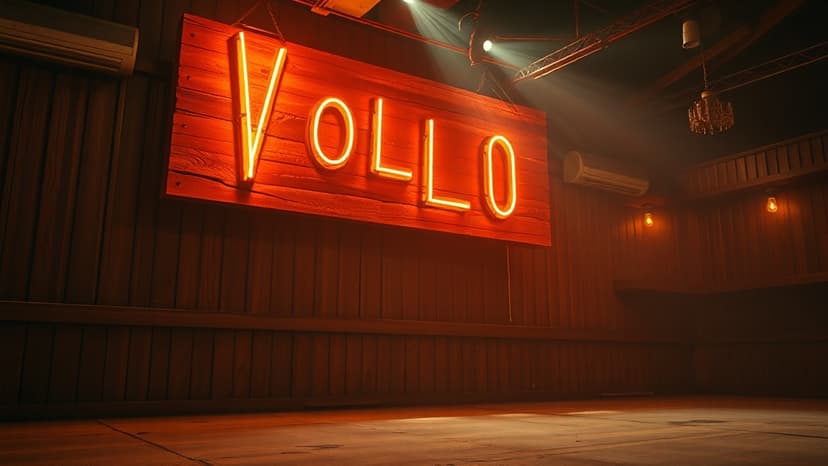
In 1980s Chile, a mining town becomes the setting for Diego Céspedes's debut film, a blend of magic realism and melodrama. A community of LGBTQ+ individuals operates a unique establishment, serving miners by day and hosting cabaret by night. This inclusive space is also raising Lidia, an abandoned 11-year-old child, showcasing their capacity for care.
The film allegorically addresses the AIDS crisis, personified by a fictional "plague" that spreads through loving gazes. Transgender woman Flamenco and her lover Yovani, a miner, grapple with societal fear and a mysterious illness. Their struggle reflects the prejudice and misunderstanding surrounding the early years of the AIDS epidemic.
Despite a harsh and superstitious environment, the film explores themes of love, resilience, and finding belonging. Its dream-like logic and tender emotions offer a moving portrayal of an often-marginalized community. The cinematic approach captures both desolate beauty and profound human connection.


