Home / Arts and Entertainment / Child Actors' Lost Childhoods: A Costly Price
Child Actors' Lost Childhoods: A Costly Price
28 Aug
Summary
- Child actors often sacrifice their childhoods for demanding work.
- Exploitative cycles persist despite labor laws and union protections.
- A cultural shift is needed to prioritize child well-being over art.
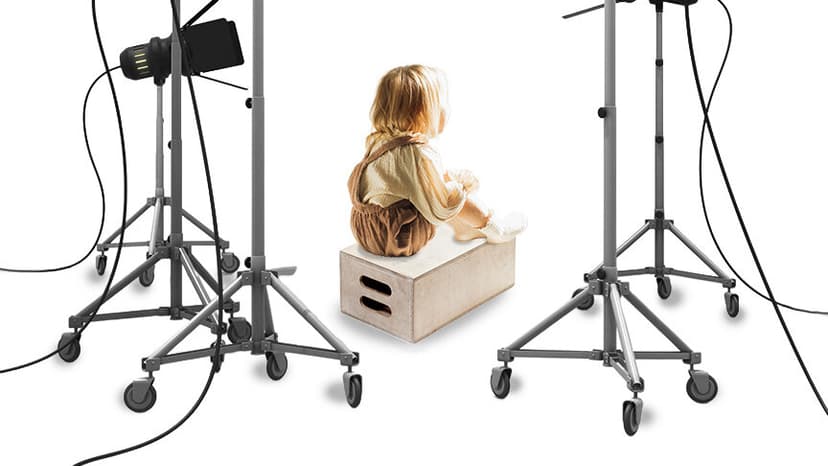
Child actors often sacrifice their formative years, enduring demanding work schedules and pressures that strip away their childhoods. Despite labor laws and union safeguards, exploitative cycles persist within the entertainment industry. These young performers are vulnerable due to their inherent desire to please and appear mature, leading to decisions made by adults for their own professional gain.
The industry's reliance on child labor has significant long-term consequences, contributing to adult struggles with mental health, substance abuse, and identity. While past media retrospectives have highlighted these issues, stricter labor protections and a cultural reevaluation are still needed. The demand for child actors, particularly on platforms like YouTube with parasocial dynamics, exacerbates these concerns.
Ultimately, a profound cultural shift is necessary. The value of art must be weighed against the future of a child. Solutions proposed include enhanced medical evaluations, mandatory reporting of unsafe conditions without retaliation, and production shutdowns when a child's safety is at risk. A call for prioritizing child actors' well-being over potential artistic output aims to prevent future harm.


