Home / Arts and Entertainment / Chess960: Random starts may skew game fairness
Chess960: Random starts may skew game fairness
2 Jan
Summary
- New analysis suggests Chess960 starting positions are not equally balanced.
- Some Chess960 configurations offer significant advantage to white or black.
- Standard chess openings are surprisingly average in complexity and fairness.
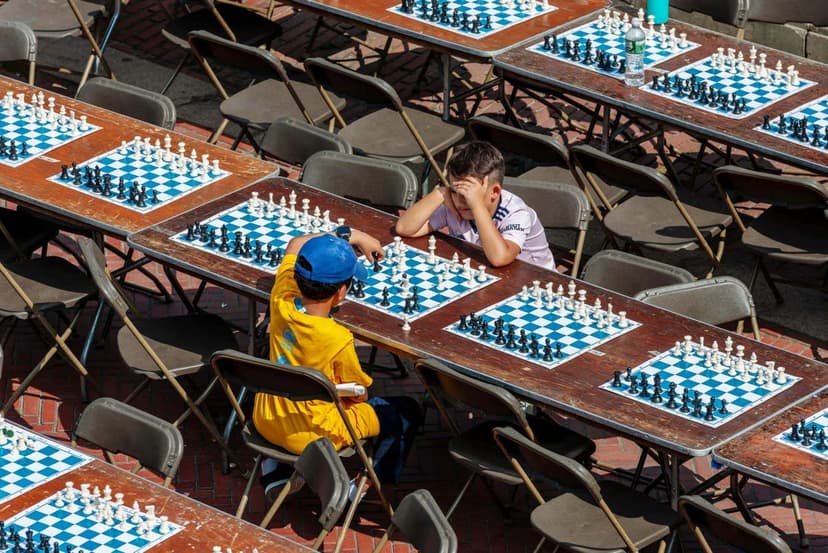
A novel analysis of Chess960, a popular chess variant featuring randomized starting positions, indicates that the game may not be as fair as commonly believed. Physicist Marc Barthelemy's research, which examined all 960 possible starting configurations, revealed that some arrangements significantly favor white, while a few even grant black a slight advantage. This challenges the notion that inherent randomness guarantees an equitable game.
Barthelemy utilized a chess computer, Stockfish, to gauge the complexity of each position by evaluating how easily players could decide on a move. His findings suggest that certain Chess960 starting positions could be strategically manipulated for tournament organizers to ensure fairer matches. Conversely, some experts argue that the very randomness of Chess960 ensures fairness by preventing over-preparation based on memorized openings, a common issue in standard chess.
Interestingly, the study also found that the traditional chess starting position is surprisingly average in its complexity and balance compared to the vast array of Chess960 setups. This raises questions about historical choices for the standard game's arrangement. While Barthelemy's measure of complexity is one approach, other experts propose alternative metrics for assessing game difficulty, highlighting ongoing debate in the chess analysis community.