Home / Arts and Entertainment / Celebrity Lookalikes: Fandom or Identity Erasure?
Celebrity Lookalikes: Fandom or Identity Erasure?
1 Feb
Summary
- TikTok banned influencer Paige Niemann for impersonating Ariana Grande.
- Extreme celebrity impersonation blurs lines between fandom and self-erasure.
- Lookalikes now build audiences online, unlike past stage-only acts.
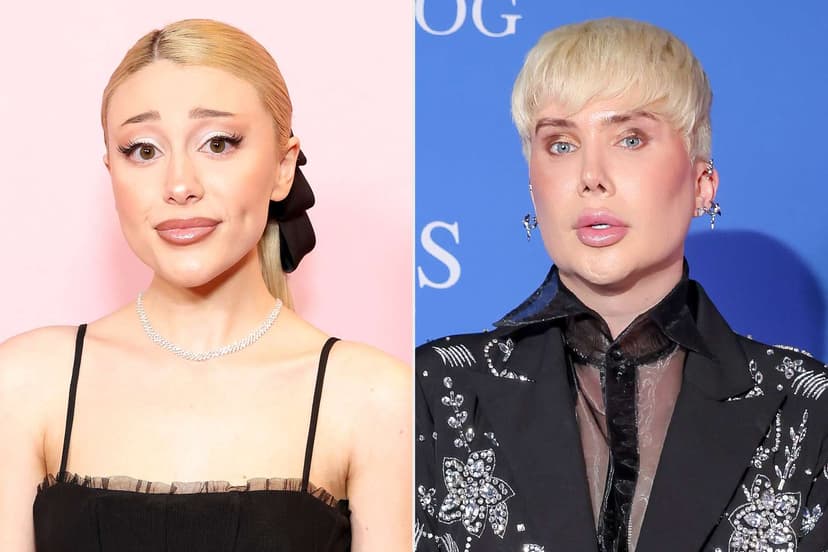
A significant TikTok ban has been placed on Paige Niemann, a 21-year-old influencer who rose to fame for her uncanny resemblance to pop star Ariana Grande. Niemann's TikTok account, with over 10 million followers, was removed after years of meticulously mimicking Grande's appearance and mannerisms, a strategy that reportedly involved significant cosmetic procedures. This development brings attention to the growing phenomenon of celebrity impersonators who leverage social media platforms to cultivate massive followings.
This trend extends beyond Niemann, with other influencers transforming into figures like Taylor Swift and the Kardashians. While celebrity impersonation has historical roots in entertainment, the digital age enables these lookalikes to amass audiences and influence on an unprecedented scale. Experts suggest this phenomenon stems from fans' desire for proximity to celebrities, but it can escalate into obsessive behavior and a blurring of personal identity.