Home / Arts and Entertainment / Bride's Vengeance: Gothic Romance Meets Anarchy
Bride's Vengeance: Gothic Romance Meets Anarchy
6 Mar
Summary
- Film explores deep trauma and female voices in patriarchy.
- Bride stands complete, needing no validation from Frankenstein.
- Lead performances by Jessie Buckley and Christian Bale shine.
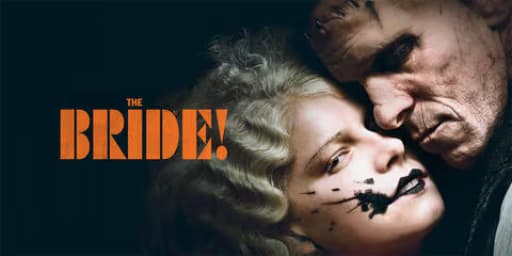
Maggie Gyllenhaal's latest directorial effort presents a provocative gothic romance, drawing parallels to the dynamic of Joker and Harley Quinn. This film delves into themes of deep-seated trauma, male loneliness, and the silencing of women within patriarchal structures. The Bride character embodies a feminist, punk, and violent yet empathetic spirit, echoing the anarchic energy of Joker with a more self-aware stance.
The narrative embraces an expansive, Broadway-infused style, suggesting that women are complete in themselves and do not require external validation. This titular message emphasizes self-sufficiency and inherent worth. While the storytelling occasionally lacks coherence, the performances of Christian Bale as Frankenstein's monster and Jessie Buckley as the Bride are exceptional, highlighting themes of companionship and acceptance.
Set in the 1930s, Christian Bale portrays a centuries-old monster yearning for connection, while Jessie Buckley electrifies as the soul of the film, embodying both Mary Shelley and the Bride. The exceptional hair and makeup design further enhances the film's gothic ambiance. Despite its solid ideas, the film sometimes struggles with full expression, ultimately presenting a compelling love story where perceived monsters exhibit more conscience than the ruling men.