

Home / Arts and Entertainment / Bombay's 7 Islands to 20 Million: A City's Epic Transformation
Bombay's 7 Islands to 20 Million: A City's Epic Transformation
4 Apr
Summary
- The exhibition 'Bombay Framed' showcases over 100 images spanning three centuries.
- Key historical transformations include land reclamations in the 1830s-40s.
- The city's name officially changed from Bombay to Mumbai in the mid-1990s.
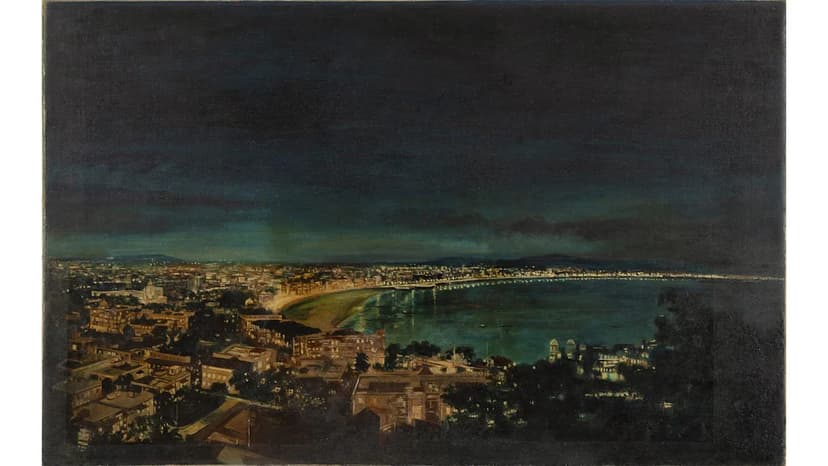
A new exhibition, 'Bombay Framed,' meticulously chronicles the dynamic passage of Bombay (now Mumbai) through centuries of profound change. Featuring over 100 images from paintings to multimedia prints, it spans three hundred years of the city's history.
The exhibition highlights pivotal moments that reshaped the urban landscape. Significant land reclamations in the 1830s and 1840s merged the original seven islets into a single landmass. Later, the removal of fort walls in the 1860s paved the way for distinctive colonial architecture.
The 1920s and 30s saw the construction of the Marine Drive corniche, introducing a modern Art Deco style. More recently, since the 2000s, urban planners have focused on utilitarian infrastructure like new sea bridges, further transforming the city's appearance.
The exhibition also explores the city's soul through its inhabitants, from Koli fisherfolk to Bollywood stars and textile barons. It contrasts the lives of Parsi philanthropists with the depiction of working-class struggles, and showcases vintage film posters and portraits that shaped cinematic icons.
Officially renamed Mumbai in the mid-1990s to shed its colonial legacy, the city has a long history of dual names and diverse perspectives. The exhibition's title, 'Bombay Framed,' acknowledges the historical period most represented by its collection.

