Home / Arts and Entertainment / Dylan's 'Blood on the Tracks': More Warmth Than Woe
Dylan's 'Blood on the Tracks': More Warmth Than Woe
20 Aug
Summary
- Blood on the Tracks, released in 1975, offers unexpected warmth.
- The album's music, not just lyrics, creates its lasting appeal.
- Dylan experimented with studio mood-setting and uncredited musicians.
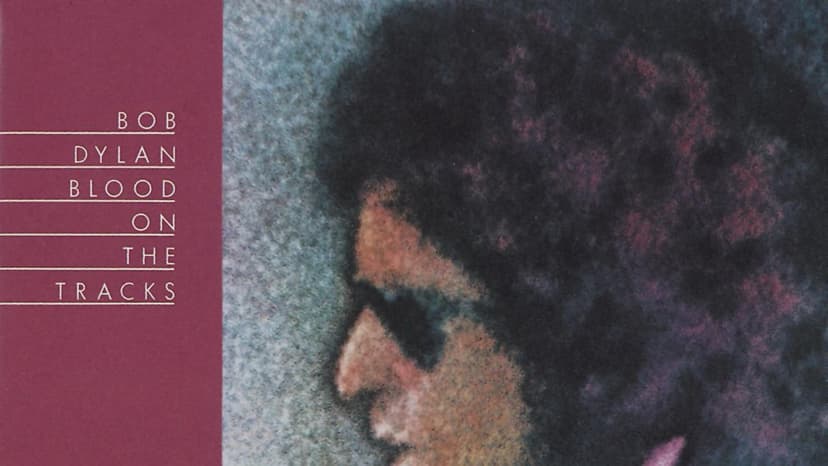
Bob Dylan's 1975 epic, Blood on the Tracks, frequently cited as a breakup album, is characterized by an undeniable musical warmth and welcoming quality. Although filled with ambiguous pronouns on most tracks, the album invites listeners to personalize its themes of aloneness and emotional devastation.
Despite Dylan's own surprise at the album's popularity, its strength extends beyond lyrics, particularly following his Nobel Prize for Literature. The music itself, as exemplified by "Tangled Up in Blue," projects an immediate and sustained mood, making the album highly accessible and re-listenable.
Recorded across multiple sessions with uncredited musicians and produced solely by Dylan himself for the first time, the album avoids the sonic trends of its time. This results in a nakedness and immediacy that resonates as strongly today as it did in 1975, showcasing a rich array of musical approaches within folk-rock.


