Home / Arts and Entertainment / Zombie's Haitian Roots Unearthed
Zombie's Haitian Roots Unearthed
8 Oct
Summary
- Documentary explores zombie's evolution from Haitian Vodou to Hollywood.
- Film critiques the colonization of ideas and cultural misrepresentation.
- Haiti's revolution and resistance offer a hopeful, empowering narrative.
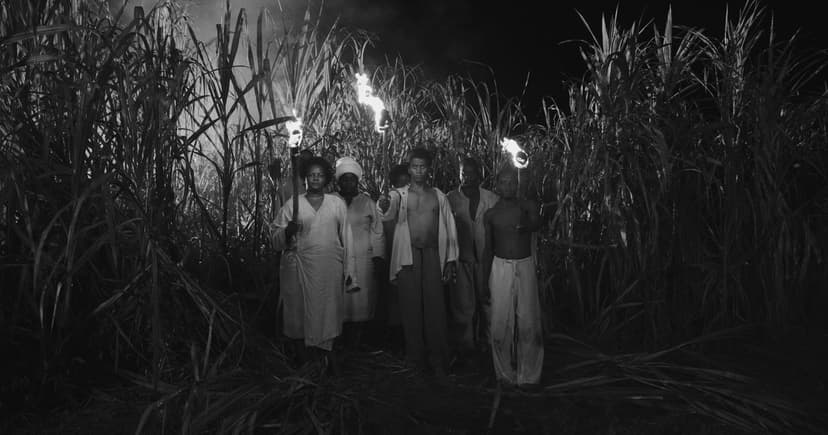
Maya Bannick Bedward's documentary, "Black Zombie," delves into the complex history of the zombie, tracing its transformation from a symbol of enslavement and lost autonomy in Haitian Vodou to the ubiquitous flesh-eating monster of contemporary horror. The film argues that this shift represents a profound colonization of ideas, stripping the zombie of its Haitian lineage.
By interweaving historical accounts, cinematic critiques, and reenactments of colonial Haiti, the documentary prompts viewers to reconsider the zombie archetype's present-day implications. It emphasizes that colonialism's impact extends beyond historical events, continually shaping cultural structures.
The film challenges the notion of Haitian resilience, asserting instead that Haiti embodies resistance. This perspective, rooted in Haiti's revolutionary history, aims to inspire audiences with a hopeful vision for the future, celebrating empowerment over passive endurance.
Bedward’s work also addresses the misrepresentation of Vodou in media, stressing the importance of accurate portrayals that do not rely on fear. It advocates for storytelling as a powerful tool to correct historical narratives and reclaim cultural heritage.


