Home / Arts and Entertainment / How Two Sitcom Pitches Became The Big Bang Theory
How Two Sitcom Pitches Became The Big Bang Theory
15 Nov
Summary
- The show originated from two separate concepts: a young woman starting adulthood and genius computer programmers.
- Shifting the characters to quantum physicists avoided 'geek' stereotypes, allowing for scientific brilliance.
- Co-creator Bill Prady based the main characters on his own personality from his early 20s.
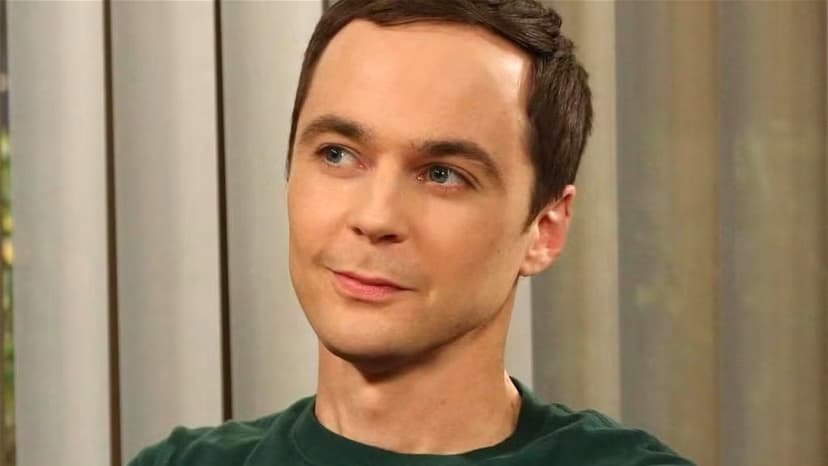
The acclaimed sitcom "The Big Bang Theory" owes its existence to the creative convergence of two separate show concepts. Co-creators Chuck Lorre and Bill Prady were simultaneously developing distinct ideas when they decided to combine them into a single narrative.
One concept focused on a young woman navigating the early stages of adulthood, while Prady was exploring the world of genius computer programmers from the 1980s. The project took a significant turn when the creators opted to frame the main characters as quantum physicists rather than computer programmers.
This adjustment allowed the writers to portray the characters' brilliance without resorting to typical "geek" or "nerd" clichés, as Lorre noted. Prady's personal history as a computer programmer in his early twenties directly influenced the show's early development and character archetypes. He revealed that the core characters, Sheldon Cooper and Leonard Hofstadter, represented different facets of his own personality during that period of his life.
"The Big Bang Theory" enjoyed a successful 12-season run, earning 10 Emmy Awards and spawning successful spin-offs such as "Young Sheldon." This imaginative blend of concepts and personal experiences ultimately created a cultural phenomenon in television.


