Home / Arts and Entertainment / Animated Worlds: Beyond Imagination
Animated Worlds: Beyond Imagination
15 Nov
Summary
- Animation excels at creating imaginative, expansive worlds.
- Shows meticulously develop diverse settings and characters.
- Rich lore and complex dynamics draw audiences in.
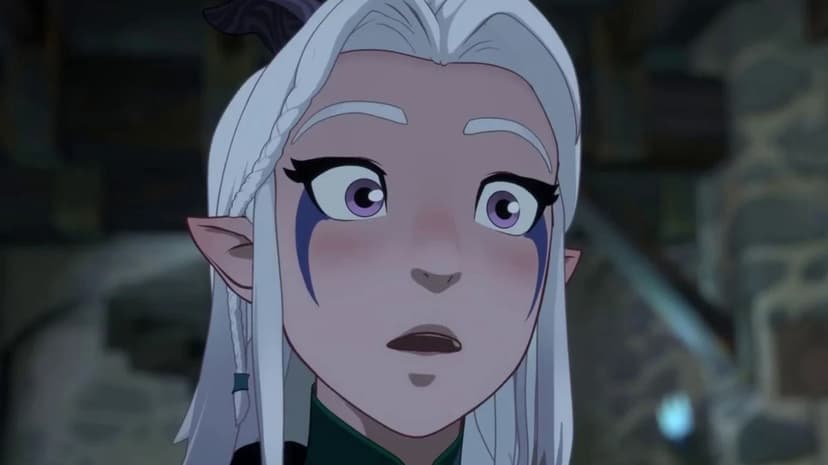
Animation offers a unique canvas for unbounded imagination, particularly in science fiction and fantasy genres. This allows for the creation of expansive worlds with diverse inhabitants, complex faction dynamics, and richly realized lore.
Shows like "X-Men: The Animated Series," "One Piece," and "Samurai Jack" are celebrated for their meticulous world-building. "X-Men: The Animated Series" simplified complex comic lore, while "One Piece" built an enduring pirate saga over 1,100 episodes. "Samurai Jack" blended feudal Japan with a dystopian future, showcasing a flexible and diverse setting.
Further examples include "Avatar: The Last Airbender," with its East Asian-inspired world divided into elemental nations, and "Star Wars: The Clone Wars," which significantly expanded the "Star Wars" mythos. "Adventure Time" presents a post-apocalyptic Land of Ooo with unique kingdoms, and "Steven Universe" delves into the deep lore of extraterrestrial Crystal Gems.
"The Dragon Prince" crafts the medieval realm of Xadia with distinct human and elven cultures, while "Arcane" depicts the contrasting cities of Piltover and Zaun. Finally, "The Legend of Vox Machina" brings the fantasy realm of Exandria to life, originating from a tabletop RPG campaign.


