Home / Arts and Entertainment / Benicio Del Toro: Hollywood's Quiet Powerhouse
Benicio Del Toro: Hollywood's Quiet Powerhouse
23 Feb
Summary
- Del Toro's presence bends scenes and films without raising his voice.
- He believes acting is interpretation, requiring deep understanding of the writer.
- His character Sensei in 'One Battle After Another' is the film's moral compass.
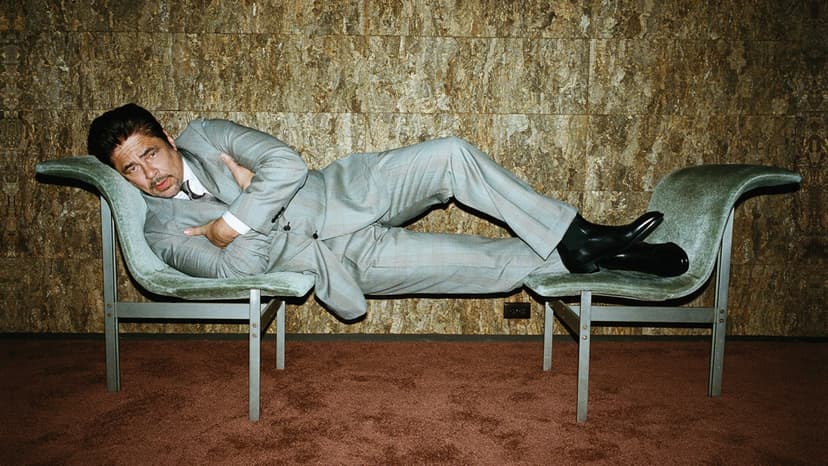
Benicio Del Toro commands attention not through overt displays, but by subtly bending scenes and entire films around his presence. This powerful yet quiet force is a hallmark of his approach to acting, which he describes as a deep interpretation of a writer's vision. Collaborators often liken his talent to a superpower, capable of profoundly impacting narratives.
His role as Sensei in "One Battle After Another" exemplifies this, positioning the character as the film's moral compass. Del Toro's careful consideration of his character's motivations was instrumental in shaping the film's direction, particularly in transforming Sensei into a protector rather than an instigator. This thoughtful approach underscores his commitment to narrative logic and thematic resonance.
With a career spanning decades, Del Toro continues to captivate audiences with his unique portrayals. His breakout role in "The Usual Suspects" at 28 paved the way for a celebrated career, including Oscar wins for "Traffic" and a nomination for "21 Grams." His recent Oscar nomination for "One Battle After Another" underscores his enduring impact on cinema.
Growing up in Puerto Rico, Del Toro initially faced expectations of a legal career, influenced by his family's tradition. However, a pivotal moment came when he discovered Sam Shepard's writing and switched his major to drama, fully committing to acting. This decision marked a significant turning point, leading him to pursue a career where he could explore diverse roles and challenge stereotypes about Latino actors.