Home / Arts and Entertainment / Art of Violence: Colombian Artist's Macabre Masterpieces
Art of Violence: Colombian Artist's Macabre Masterpieces
25 Feb
Summary
- González's art powerfully depicted Colombia's conflict and corruption.
- She transformed found materials like postcards and furniture into art.
- Her retrospective highlights art history, popular culture, and turmoil.
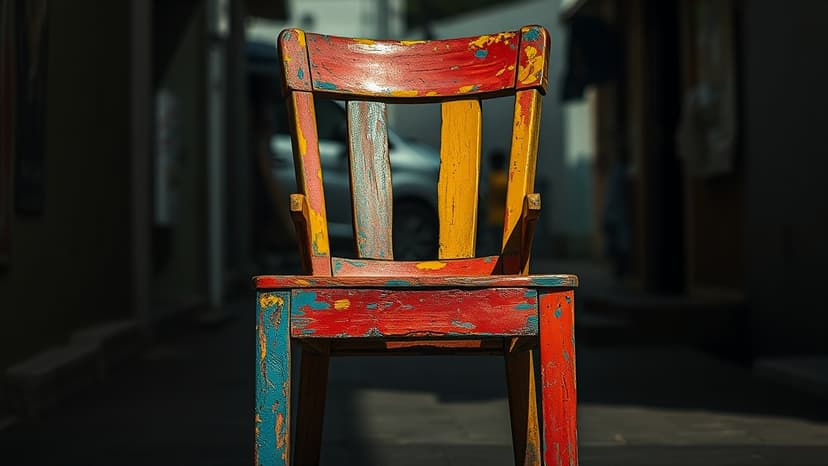
The art of Colombian artist Beatriz González, who died recently at 93, is a vivid reflection of her country's turbulent history and persistent violence. Her retrospective exhibition powerfully showcases this, drawing from an extensive archive of postcards, news clippings, and popular imagery. González transformed these humble materials into forceful and macabre works.
Born in Bucaramanga in 1932 and passing away in Bogotá earlier this year, González's career spanned decades. She began by transcribing European masters but soon developed a unique style, flattening forms and heightening emotional intensity. Her art often depicted generals as parrots or captured the bleakness of suicide victims.
González’s prolific archive served as a profound commentary on Colombia's decades of conflict, including disappearances, torture, and political strife. She notably created series based on grim newspaper reports, such as a homeless bullfighter's murder and a sex worker found dead.
Her later works, including paintings on cheap metal furniture and TV screens, engaged with political events like the 1985 Palace of Justice siege. The exhibition culminates with her Anonymous Auras project, a poignant memorial to victims of conflict, reflecting a career marked by biting commentary and enduring power.