

Home / Arts and Entertainment / Babydoll Dress: Innocence or Reclamation?
Babydoll Dress: Innocence or Reclamation?
20 Apr
Summary
- Critics debate if Olivia Rodrigo's babydoll dress is infantilizing or reclaiming girlhood.
- The babydoll dress has a historical duality of innocence and subversion.
- Modern interpretations see the babydoll as playful and a refusal of sinister meanings.
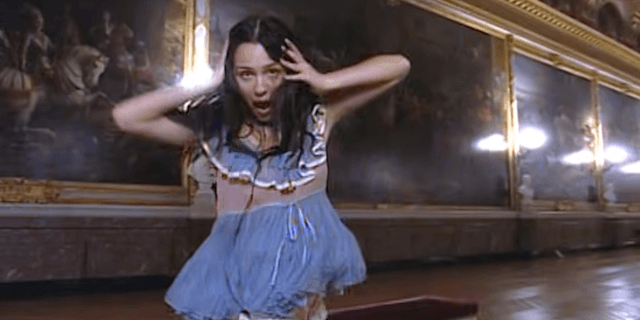
Olivia Rodrigo's recent single, "Drop Dead," released on April 17th, ignited a discussion surrounding her choice of a babydoll dress. While some critics labeled the outfit as infantilizing, many defended it, noting its frequent appearance in Rodrigo's style. The singer has expressed a preference for babydoll dresses, describing her Pinterest boards filled with them. This aesthetic, amplified by the music video's dreamy, feminine direction, positions the babydoll dress as atmospheric and symbolic of early love.
The babydoll dress carries a complex sartorial history. Originally a practical 1940s nightgown, it evolved into a 1960s youthquake emblem. Its silhouette, reminiscent of 18th-century French court fashion, has always possessed a dual nature: apparent innocence concealing underlying subversion. In today's cultural climate, where awareness of young women's vulnerabilities is heightened, the impulse to scrutinize girlhood imagery is understandable.
However, this scrutiny can unfairly restrict fashion exploration, leading to misdirected vigilance. The current resurgence of the babydoll look in 2026 is interpreted less as a regression and more as an act of reclamation. It aligns with a broader aesthetic return to vintage girlhood, emphasizing playfulness and emotional expression, a space where Rodrigo's songwriting often resides.
This trend is not isolated to Rodrigo; artists like Ariana Grande, Sabrina Carpenter, and Kacey Musgraves have embraced the silhouette. High-fashion runways from Chloé to Valentino have also showcased airy, modern versions. The babydoll dress is thus re-emerging not as a step backward, but as a deliberate refusal to let expressions of softness be flattened into negativity, reclaiming its innocence and affirming playfulness.
