Home / Arts and Entertainment / Artists Who Resent Their Biggest Hits
Artists Who Resent Their Biggest Hits
27 Aug
Summary
- Many artists feel complicated emotions about their most famous songs.
- Performing a signature song repeatedly can lead to burnout and resentment.
- Some artists eventually reconcile with their hits, while others still dislike them.
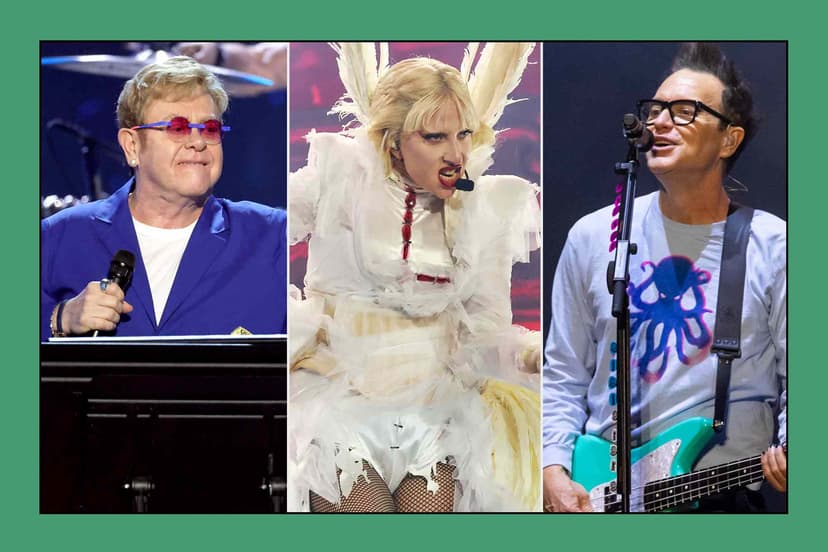
The pursuit of mainstream success can lead to a paradoxical situation for musicians: their biggest hit song becomes both a blessing and a curse. Artists often develop complex feelings towards these breakout tracks due to constant repetition and the overshadowing of their other work.
Blink-182's Travis Barker described reaching a point of exhaustion with "All the Small Things," while Vanessa Carlton initially "hated" her iconic "A Thousand Miles" due to industry pressures. Miley Cyrus expressed dislike for "Party in the U.S.A.," a song she did not write and felt was not her style.
Lady Gaga has voiced strong negative opinions about her collaboration "Telephone," and Lorde has referred to her Grammy-winning "Royals" as a "relic." Billy Joel admitted to struggling with the lyrics and melody of "We Didn't Start the Fire," calling it one of his "worst melodies."
Elton John expressed a desire to "never ever sing" "Crocodile Rock" again after his farewell tour concluded in 2023. Robert Plant famously grew to "break out in hives" from singing Led Zeppelin's "Stairway to Heaven." Liam Gallagher of Oasis initially couldn't stand "Wonderwall," but has since come around to appreciating it.
Radiohead developed a notable resentment for "Creep," with Thom Yorke famously yelling at crowds requesting it. Mick Jagger, in 1975, stated he'd "rather be dead than sing 'Satisfaction' when I'm 45," yet the Rolling Stones continue to perform it. Ed Sheeran actively tried to keep "Shape of You" off his album, initially envisioning it for Rihanna.


