Home / Arts and Entertainment / Art's Feuds: Renaissance Rivals vs. Modern Collaborators
Art's Feuds: Renaissance Rivals vs. Modern Collaborators
28 Nov, 2025
Summary
- Renaissance artists engaged in intense rivalries, sometimes involving physical threats.
- Modern artists often form collaborative groups, contrasting with historical competition.
- Artistic feuds can fuel creativity, but excessive conflict may hinder it.
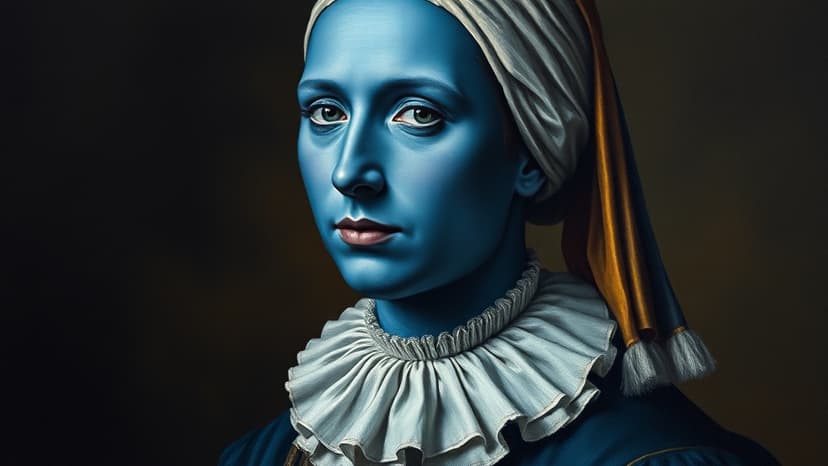
The history of art is marked by intense rivalries, with figures from the Renaissance like Michelangelo and Leonardo da Vinci engaging in public humiliation and artistic one-upmanship. Even in later centuries, artists such as Constable and Turner displayed animosity through their work. These historical feuds, while sometimes leading to threats of violence and even art world "mafias," were also seen as a catalyst for immense creativity, pushing artists to excel.
In stark contrast, modern artistic trends lean towards collaboration. Avant-garde movements often saw artists banding together as "gangs of friends" against societal norms. This collaborative spirit culminated in instances like the 2019 Turner Prize, where nominees chose to share the award as a collective, challenging the traditional notion of individual artistic triumph.
This evolving dynamic between rivalry and collaboration prompts a re-evaluation of artistic achievement. While competition can sharpen critical faculties and foster unique artistic voices, an overemphasis on collaboration may dilute the impact of individual masterpieces. The article suggests that appreciating art deeply involves making critical choices, a process that rivalries inherently encourage.