Home / Arts and Entertainment / New Theory: Ark of Covenant Rewrote Religious Rules
New Theory: Ark of Covenant Rewrote Religious Rules
23 Jan
Summary
- The Ark may have mimicked Egyptian shrines but rejected idol worship.
- It used Egyptian symbols to declare the Israelite God superior.
- The Ark's design was a deliberate theological innovation.
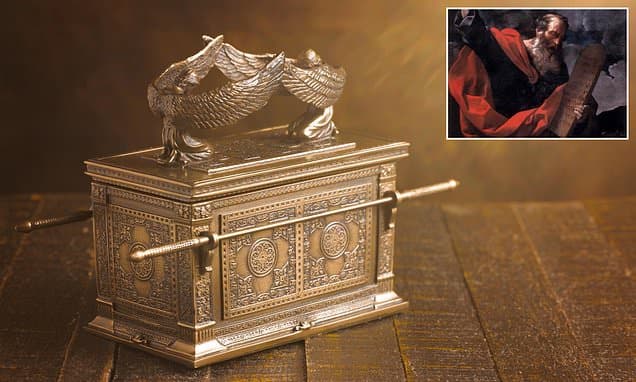
A new theory by Egyptologist David Falk suggests the Ark of the Covenant was not just a sacred container but a radical reimagining of ancient religious symbols. Falk proposes the Ark was modeled on Egyptian ritual furniture, specifically shrines designed to hold idols.
However, unlike Egyptian shrines, the Ark contained no idol, symbolizing that God's presence did not need a physical representation. Falk argues the Ark borrowed visual elements from Egyptian symbols, such as uraeus cobras and winged goddesses, but inverted their purpose.
These symbols, common on Egyptian shrines, were reinterpreted. The Ark's sacred space was created above it, between the wings of the cherubim on the mercy seat, signifying divine power without an idol. This design choice was a deliberate theological innovation, using familiar symbols to reject contemporary religious norms.
Falk's theory posits that the Israelites intentionally weaponized Egyptian symbols against Egyptian religion. By adopting the form of Egyptian sacred furniture but removing its function of housing an idol, the Ark declared the Israelite God superior because His presence was not confined to a statue.