Home / Arts and Entertainment / Angh: Colonial Clash in 1960s Nagaland
Angh: Colonial Clash in 1960s Nagaland
20 Sep
Summary
- Film 'Angh' depicts colonial encroachment in 1960s Nagaland.
- It won the top prize in the Platform competition at TIFF.
- The movie explores indigenous identity versus modernity.
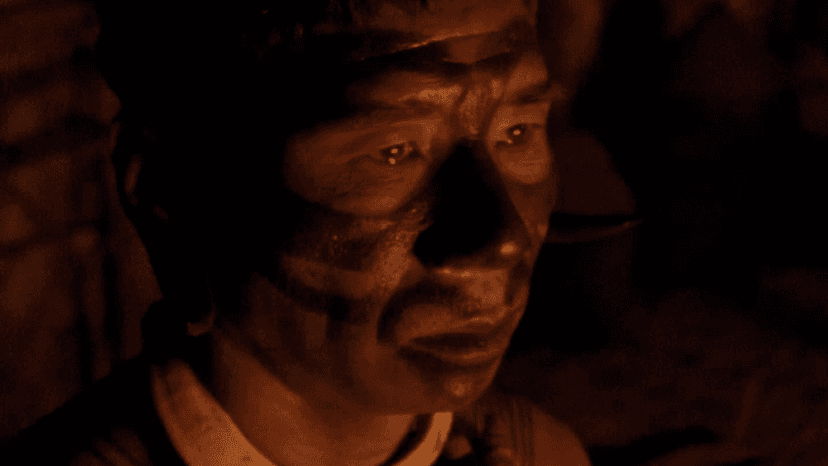
Director Theja Rio's debut feature, "Angh," immerses viewers in a dreamlike atmosphere, exploring the tension between indigenous identity and colonial modernity. Set in 1960s Nagaland, the film centers on Anghba, the chief of a dwindling Konyak tribe, and the arrival of an American missionary.
"Angh" secured the top prize in the Platform competition at the Toronto Film Festival, qualifying it for the Oscars. The narrative unfolds with restraint as Anghba grapples with the erosion of his tribe's traditions, rituals, and way of life due to well-meaning but ultimately imposed Western influences.
The film challenges conventional cinematic perspectives, presenting familiar images of 'barbarism' with an uncanny gentleness. Through its soulful ruminations and phantasmagoric elements like dreams and visions, "Angh" serves as a lament for lost ways of life, urging reflection on the cost of progress.


