Home / Arts and Entertainment / Epidaurus: A Living Link to Greek Drama
Epidaurus: A Living Link to Greek Drama
6 Aug
Summary
- Ancient Epidaurus Theatre retains exceptional acoustics after 23 centuries.
- It remains an active venue for summer performances of ancient Greek drama.
- Preservation due to soil cover protected it from centuries of conflict.
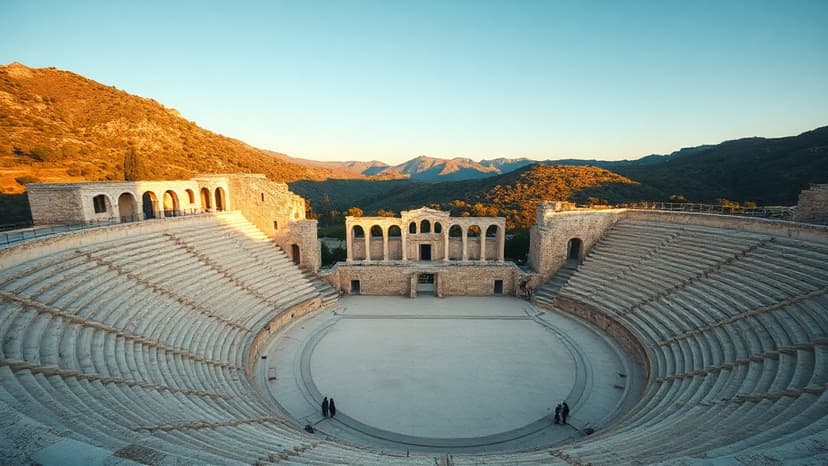
More than two millennia after its construction, the Ancient Theatre of Epidaurus in Greece stands as a remarkably preserved testament to ancient Greek ingenuity. Erected in the late 4th century BCE within the Sanctuary of Asklepios, this architectural marvel continues to host live performances each summer, offering audiences a unique connection to the past.
Famed for its extraordinary acoustics, the theatre, traditionally attributed to Polykleitos the Younger, could initially accommodate around 14,000 spectators. Its exceptional preservation is largely due to centuries of being covered by soil, which protected it from erosion and conflict.
Modern researchers marvel at its acoustic properties, where even a whisper from the stage is audible in the highest seats without amplification. This is achieved through sophisticated architectural planning, including the theatre's circular shape and limestone seating.
Unlike many ancient sites, Epidaurus remains a vibrant venue, a highlight of the Athens Epidaurus Festival. It allows contemporary audiences to experience classical drama in the very environment where it was first performed, solidifying its status as a living cultural treasure.


