Home / Arts and Entertainment / 'Fire Flower' Film Confronts Post-Fukushima Disquiet
'Fire Flower' Film Confronts Post-Fukushima Disquiet
14 Aug
Summary
- Film explores profound unease with Japan's post-disaster silence.
- It loosely adapts Yoko Hayasuke's struggle with radioactive Japan.
- Filmmaker Ana Vaz reveals pregnancy during narration recording.
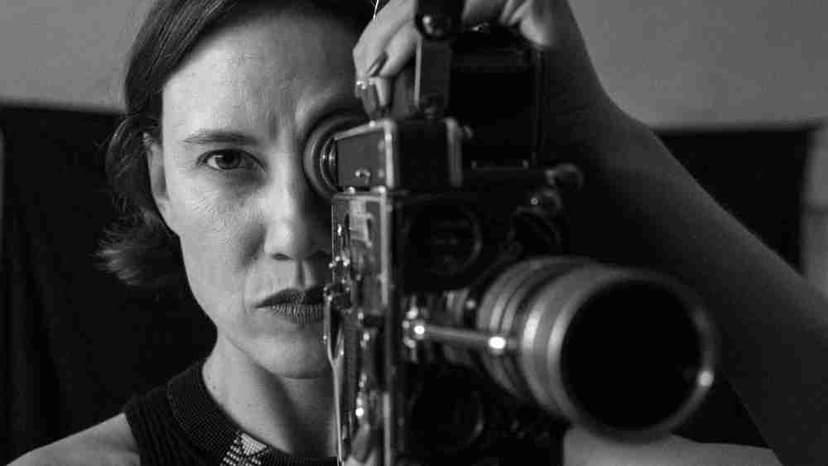
Ana Vaz's experimental film 'Hanabi' ('Fire Flower') premieres in Locarno, addressing the lingering unease in Japan after the Fukushima nuclear disaster. The film draws inspiration from Yoko Hayasuke's writings, which detail the struggle of living in a country attempting to deny its ongoing irradiation.
Vaz's film adopts a non-linear structure, mirroring Hayasuke's 'Journal of a Radioactive Brain.' It questions everyday consumption and experiences, recontextualizing them in light of post-disaster uncertainties. The director emphasizes thinking beyond scientific data to grasp the enormity of such events.
A poignant moment captured in the film is Vaz's unconscious response to Hayasuke's text, revealing her own pregnancy. This personal element, retained by editor Chaghig Arzoumanian, adds a unique dimension to the narrative, which is described as a 'tapestry' of testimonies and reveries.
'Hanabi' employs various cinematic tactics to materialize the invisible nature of radiation. Accompanied by improvised jazz and eerie urban visions, the film aims to sound an alarm and offer an approach to coping with unimaginable consequences, emphasizing the need for international solidarity and thoughtful engagement.


