Home / Arts and Entertainment / Jail Transformed: Kolkata's Alipore Museum Reclaims History
Jail Transformed: Kolkata's Alipore Museum Reclaims History
28 Feb
Summary
- Colonial prison evolved into a public history space and cultural venue.
- Historic site once held figures like Subhas Chandra Bose and Nehru.
- Museum now hosts exhibitions, lectures, and diverse cultural programs.
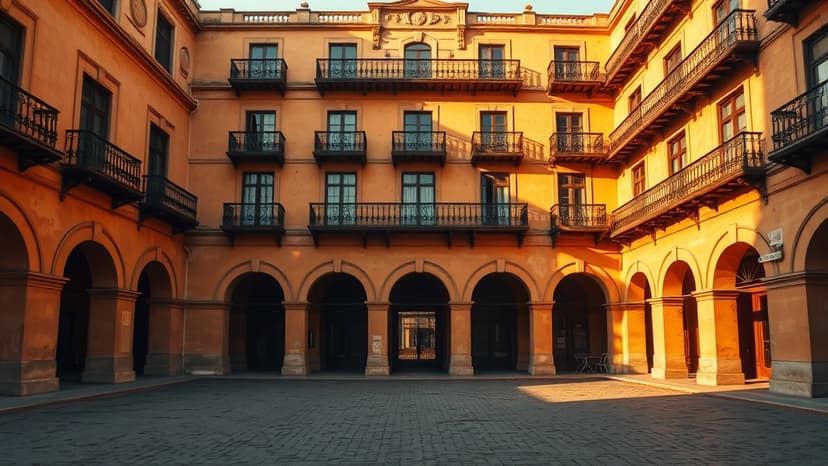
Established in 1906, the Alipore complex operated as a jail for over a century until its closure in 2019. Reopening as a museum in September 2022, it has undergone a significant transformation from a site of confinement to a public history space.
This transformation is seen as historical justice, with the space now honoring freedom fighters such as Subhas Chandra Bose and Jawaharlal Nehru, who were once imprisoned there. Conservation efforts focused on stabilizing and adapting existing structures rather than reconstruction, revealing original architectural details.
In its recent years, the Alipore Museum has developed into a cultural ecosystem, hosting events like lectures, workshops, and exhibitions. The Bengal Biennale utilized a hall in 2024-25, showcasing the site's adaptability. Structural additions include an auditorium and a dedicated exhibition gallery.
Accessibility has been enhanced with Braille guides and improved navigation, alongside landscaping and lighting that soften the former prison's austerity. The museum's programming now encompasses dance festivals, art initiatives, and vintage car showcases, attracting a diverse audience.
Visitor footfall reflects this evolution, with steady growth on weekends and weekdays, indicating its emergence as a dynamic cultural venue. The Alipore Museum demonstrates how a city can reinterpret its past by giving historical sites new purpose.