Home / Arts and Entertainment / Wozzeck: Opera's Gut Punch of Tradition and Innovation
Wozzeck: Opera's Gut Punch of Tradition and Innovation
14 Dec
Summary
- Berg's "Wozzeck" blended avant-garde music with emotional late-Romantic style.
- The opera powerfully depicts a soldier's descent into madness and murder.
- Its innovative structure mirrors the protagonist's psychological turmoil.
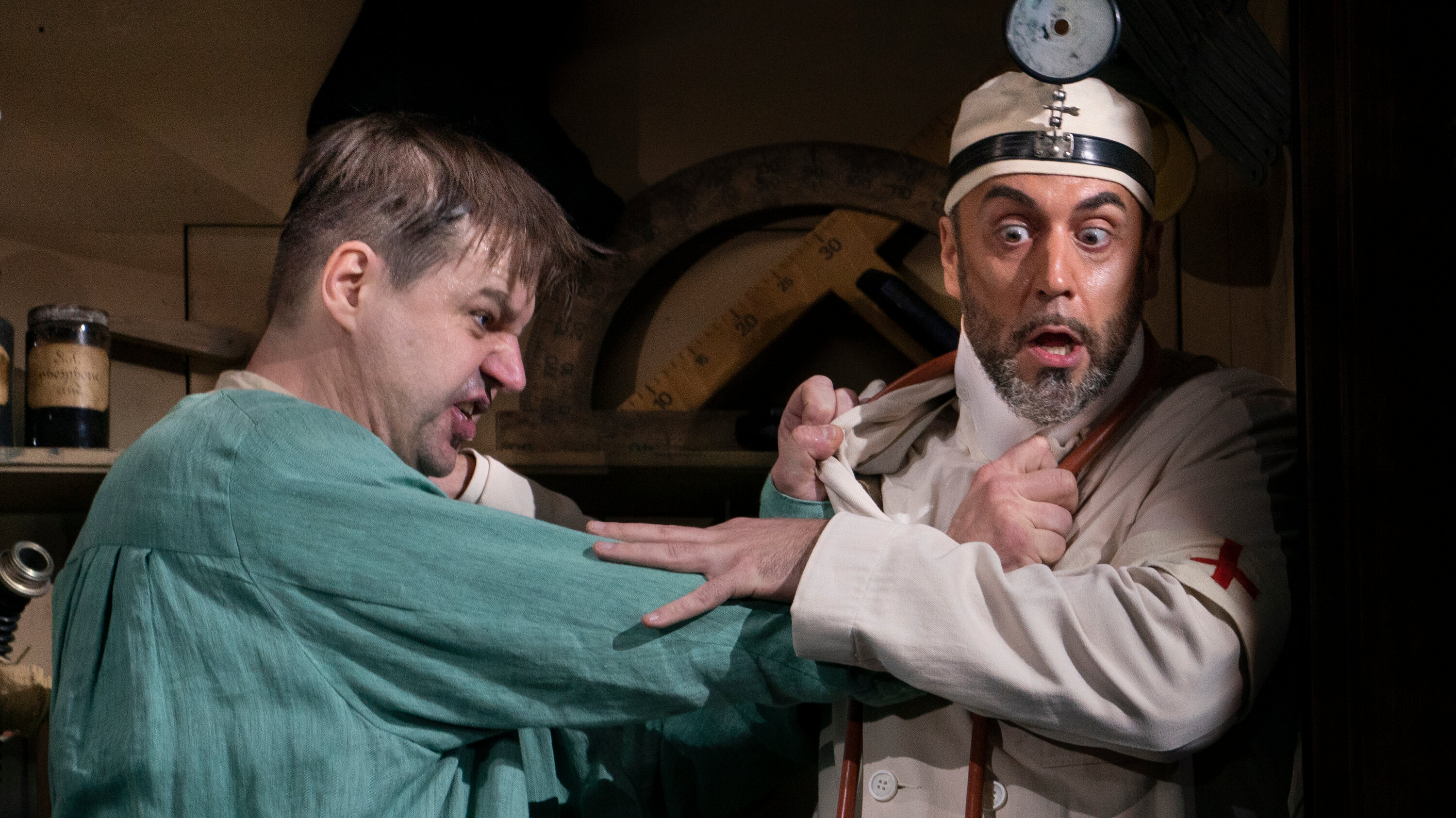
Alban Berg's opera "Wozzeck," celebrating its centenary, revolutionized musical theater by juxtaposing avant-garde dissonance with profound emotional depth. Initially shocking audiences, the work masterfully integrates its groundbreaking score with a harrowing narrative of a soldier's descent into madness and violence.
Composed in the shadow of World War I, "Wozzeck" resonated deeply with its depiction of an individual overwhelmed by larger forces. Berg's innovative musical structures, including character pieces, symphonic movements, and intricate inventions, parallel Wozzeck's fractured psyche, creating a uniquely immersive and unsettling experience.
Despite its challenging modernism, "Wozzeck" embraced tradition, notably in its climactic D minor passage that echoes late-Romantic symphonies. This fusion of innovation and heartfelt expression solidified its place as a timeless masterpiece, continuing to confront audiences with themes of conflict and inequality.