Home / Arts and Entertainment / Ai Weiwei: AI Kills Privacy, West Mimics China
Ai Weiwei: AI Kills Privacy, West Mimics China
7 Feb
Summary
- Artist Ai Weiwei criticizes AI's destruction of privacy.
- He observes growing censorship in the West mirroring China.
- Weiwei returned to China after a decade's absence.
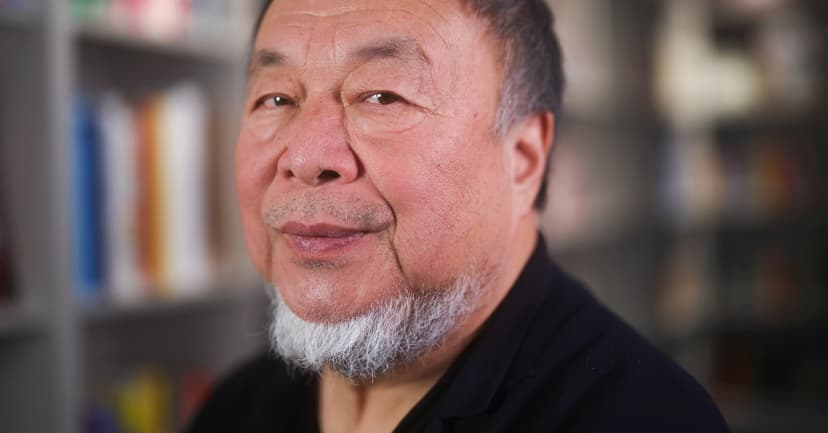
Renowned dissident artist Ai Weiwei has expressed deep concern over the global decline of free speech and the pervasive impact of artificial intelligence on privacy. Speaking from London, he launched his new book, "On Censorship," on January 29, detailing his observations on the state of expression worldwide.
Weiwei noted that while China's censorship operates within clear state-defined boundaries, Western societies are experiencing a new form of suppression through corporate and institutional channels. He believes the pervasive reach of AI means "the right not to be watched no longer exists," diminishing humanity by reducing individuals to numbers.
The artist recently returned to China for the first time in ten years, describing the experience as "strange" due to the country's increased global power. Despite initial apprehension, his interactions were surprisingly courteous, though he noted the difficulty of engaging in meaningful ideological discussions there.
Reflecting on Western leaders' engagement with China, Weiwei has shifted his perspective. He now suggests the West should first examine its own human rights record before critiquing China, citing a perceived hypocrisy in international dealings. He also cautioned younger artists about the potential costs of challenging authority, emphasizing the importance of integrity over profit.
Despite the challenges, Weiwei finds hope in individuals actively protecting their consciousness and fundamental rights, seeing this as the only way to preserve individuality and humanity in an increasingly technological world.