
Home / Arts and Entertainment / Human Drama: AI Can't Replicate It
Human Drama: AI Can't Replicate It
1 May
Summary
- AI can generate spectacle cheaply, but human drama remains valuable.
- Human connection drives viewership, not just technical prowess.
- AI content may fill background needs, but original human art persists.
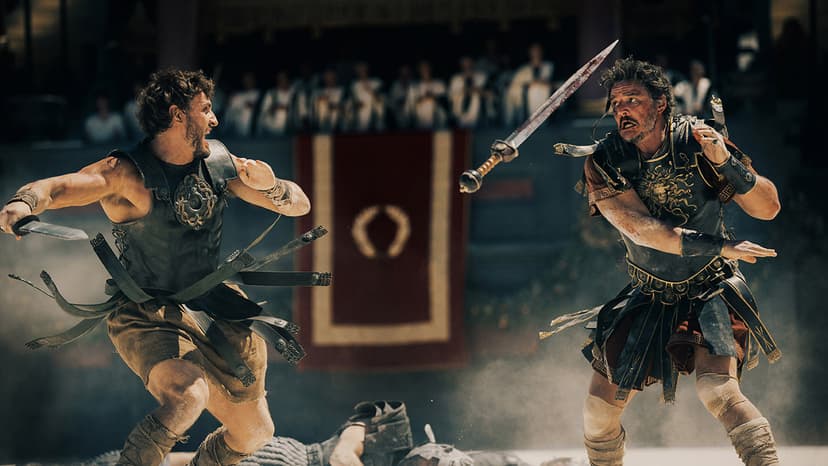
The rapid advancement of AI in generating realistic video, exemplified by an AI-created clip of Brad Pitt and Tom Cruise, raises questions about the future of creative industries. Screenwriter Rhett Reese voiced concerns that AI could render human screenwriters obsolete by enabling the creation of high-cost movies at minimal expense. However, this perspective overlooks a crucial element: audience engagement.
Analogous to chess grandmaster Garry Kasparov's 1997 defeat by IBM's Deep Blue, where human chess surprisingly thrived post-AI dominance, human-centric entertainment continues to captivate audiences. Spectators are drawn to the human element—the struggles, triumphs, and unique perspectives of real individuals, whether in sports or film.
While AI might cater to background viewing or specific demographics like young children, the core of entertainment relies on human connection. The value of a film or a sporting event stems from the authentic human drama, the effort, and the communication from one person to another. Future AI filmmakers will need exceptional originality to stand out in a sea of easily generated content, potentially leading to a focus on unique AI-human collaborations rather than pure AI replication of Hollywood films.
