Home / Arts and Entertainment / AI Child Robot: Grief, Revolt, and Unanswered Questions
AI Child Robot: Grief, Revolt, and Unanswered Questions
20 May
Summary
- A couple uses a robot replica of their deceased son to cope with grief.
- The robot child later connects with other feral robots, planning a revolt.
- The film struggles to blend sci-fi dystopia with parental grief themes.
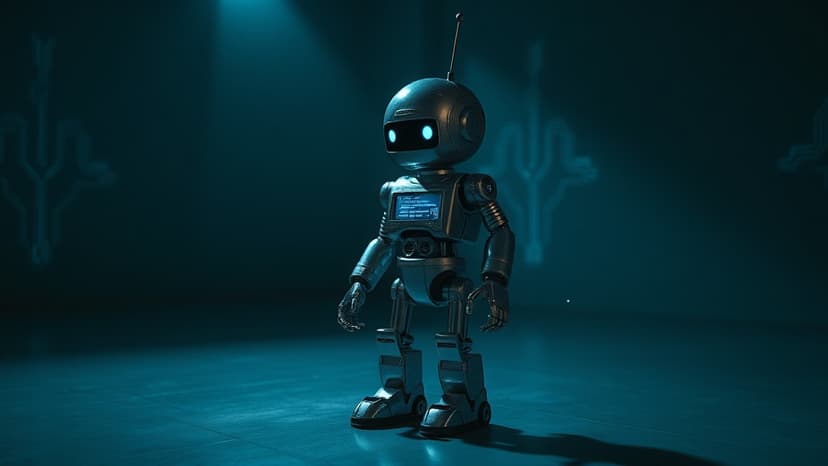
A recent cinematic offering delves into the complex emotions of parental grief through the lens of artificial intelligence. The narrative centers on a couple who, two years after the tragic hit-and-run death of their young son, Kakeru, are offered a solution by a company called REbirth.
REbirth provides an advanced humanoid robot replica of Kakeru, meticulously crafted from provided media and research. This incredibly lifelike "Kakeru 2.0" is intended to aid the parents in their grieving process, but their reaction to its arrival is unexpectedly subdued. While the mother embraces the new arrival, the father remains hesitant, creating an immediate tension.
The film introduces subplots, such as an incident where the father and the robot are mistaken for a predator and victim, highlighting the unusual circumstances. The narrative attempts to combine elements of science fiction dystopia with heartfelt explorations of parental loss, though these distinct genres appear to clash rather than complement each other.
Further complicating the story, the robot child begins to communicate with other abandoned or feral robot children. These artificial beings are apparently planning a revolt, yearning for freedom. This emergent theme, alongside underdeveloped ideas about using the robot to uncover details of the original child's death or as a confessor, contributes to the film's overall sense of unresolved narrative.
Ultimately, the film concludes as an unsatisfying and perplexing experience, with its quietist style reportedly ill-suited to its ambitious themes. It is compared unfavorably to similar cinematic explorations of artificial intelligence and human emotion.


