

Home / Arts and Entertainment / AI's Ghost in the Machine: Book Deal Pulled
AI's Ghost in the Machine: Book Deal Pulled
29 Mar
Summary
- Horror novel's US release canceled due to suspected AI authorship.
- Publishers grapple with detecting AI-generated content.
- Author denies AI use, blames an editor for the issue.
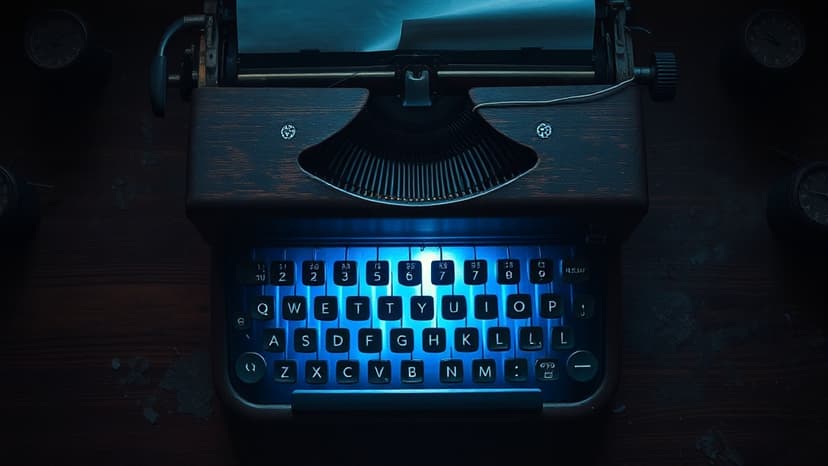
The planned US release of the horror novel "Shy Girl" was canceled earlier this month, and its UK publication discontinued, following accusations of substantial AI-generated content. This development has sent a "cold shiver" through the publishing industry, as agents and publishers confront the difficulty of identifying AI-written submissions. Anna Ganley, CEO of the Society of Authors, noted that the incident was perhaps inevitable.
Author Mia Ballard denies personally using AI, stating an acquaintance who edited a self-published version did. However, the controversy has forced a reckoning within major publishing houses, which employ AI detection tools and contractual clauses. Experts like Prof Patrick Juola and Mor Naaman from Cornell Tech express skepticism about the long-term efficacy of AI detection, likening it to an arms race against rapidly evolving AI technology.
This situation raises complex questions about authorship in an AI-hybrid world. Professor Naaman emphasizes that while "Shy Girl" is an "egregious" example, the lines are blurring. He questions when AI assistance becomes akin to using a spellchecker versus full AI authorship. The cultural implications are significant, with concerns that AI could flood the market with bland content, stifle diverse human creativity, and deskill emerging authors.
In response, Ganley launched the "Human Authored" scheme, a system reliant on trust. Literary agent Kate Nash stresses the importance of this human connection, urging writers to trust themselves over machines. The integrity of the reader-writer bond, she asserts, depends on meaningful engagement and trust, which AI-generated content may undermine.
