Home / Arts and Entertainment / Banned in the 80s: How Controversy Fueled Music Sales
Banned in the 80s: How Controversy Fueled Music Sales
27 Apr
Summary
- Parents Music Resource Center formed, leading to album warning stickers.
- Prince's 'Darling Nikki' and Frankie Goes to Hollywood's 'Relax' faced bans.
- Iron Maiden and Madonna also faced backlash for controversial lyrics/videos.
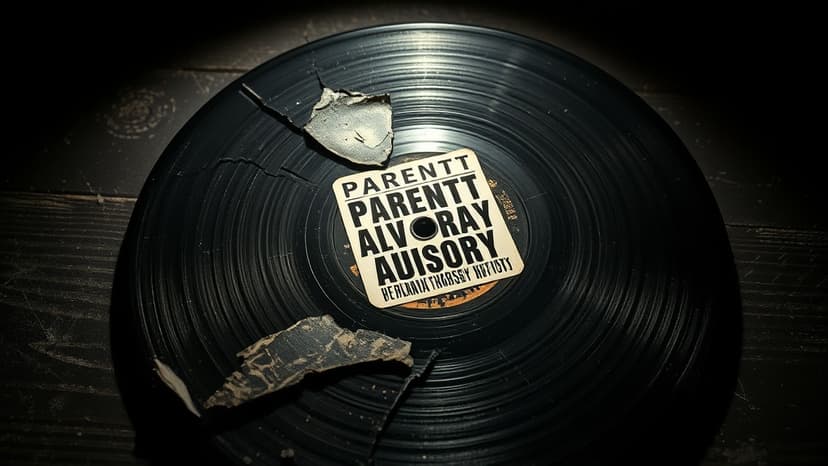
The 1980s marked a significant period for music censorship in the United States, largely driven by the formation of the Parents Music Resource Center. This group, founded by concerned politicians' wives, successfully lobbied for warning labels on albums deemed explicit, leading to high-profile Senate hearings.
Key controversies involved Prince's 'Darling Nikki,' which triggered the 'Filthy 15' list and eventual voluntary warning stickers. Frankie Goes to Hollywood's 'Relax' was banned by the BBC, yet soared to number one on the UK charts. Iron Maiden faced accusations of Satanism for their album 'The Number of the Beast,' resulting in protests and album burnings.
Artists like Dee Snider of Twisted Sister testified before the Senate, defending artistic expression. Madonna's 'Like a Prayer' commercial caused an uproar, leading Pepsi to cancel a lucrative deal. Despite facing bans and backlash, these artists often experienced increased popularity and enduring legacies.


